
At the beginning of the year, we reported on several shops in the IDP camps being destroyed by fire. These shops are crucial for families’ income and survival. As if losing their livelihoods were not enough, they now face the harsh winter without any government support.
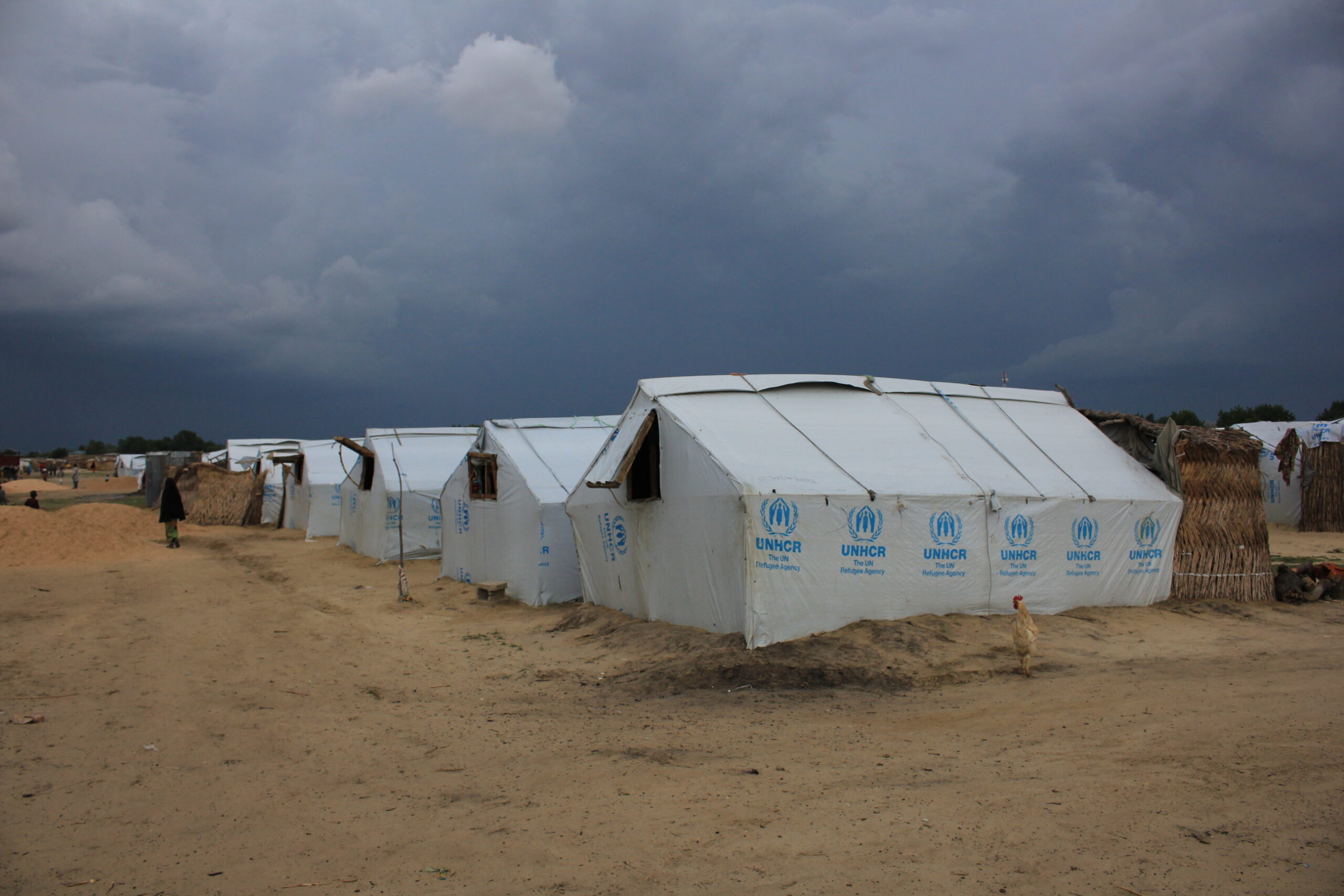
More than 150,000 Ezidi internally displaced persons (IDPs) continue to live in displacement camps in northern Iraq, where many families remain in tents more than eleven years after their initial displacement. The temperatures drops and yet displaced Ezidi families have not received any subsidised kerosene for heating during the current winter season.
According to weather forecasts, temperatures in parts of Nineveh and Duhok provinces are expected to fall below zero degrees Celsius, with extreme cold posing serious risks to families living in temporary shelters. Despite these conditions, fuel distributions that were provided in previous winters have not taken place this year. Last winter, displaced families reportedly received approximately 100 liters of kerosene, while earlier years included multiple distributions.
Local authorities responsible for displacement affairs have stated that requests for winter fuel assistance were submitted to federal institutions prior to and during the winter season, without response. At the same time, national policies continue to emphasize the closure of displacement camps, despite unresolved security concerns and the lack of sustainable return conditions for many Ezidis. The suspension of heating support has intensified hardship inside the camps, particularly for children, elderly individuals, and those with health conditions. For Ezidis who remain displaced more than a decade after genocide and forced displacement, the absence of basic winter assistance underscores the ongoing humanitarian crisis.
It is evident that the authorities in charge of the IDP camps are trying to close them by using different tactics that leave people with no other choice but to leave. Ezidis did not choose to live in camps, and they certainly did not choose to become targets of ISIS in 2014. With the current and evident attempts to force Ezidis out, the question arises: where are these families supposed to settle? Are they expected to return to Shingal, to homes that remain in ruins and for which the Iraqi government has allocated no funds for reconstruction? Where should Ezidis seek refuge and rebuild their lives without risking becoming targets of ISIS or other extremists hiding behind the false mask of harmless neighbors?