
The Unique Identity of the Yezidis (Ezidis) and Their Distinction from the Kurds

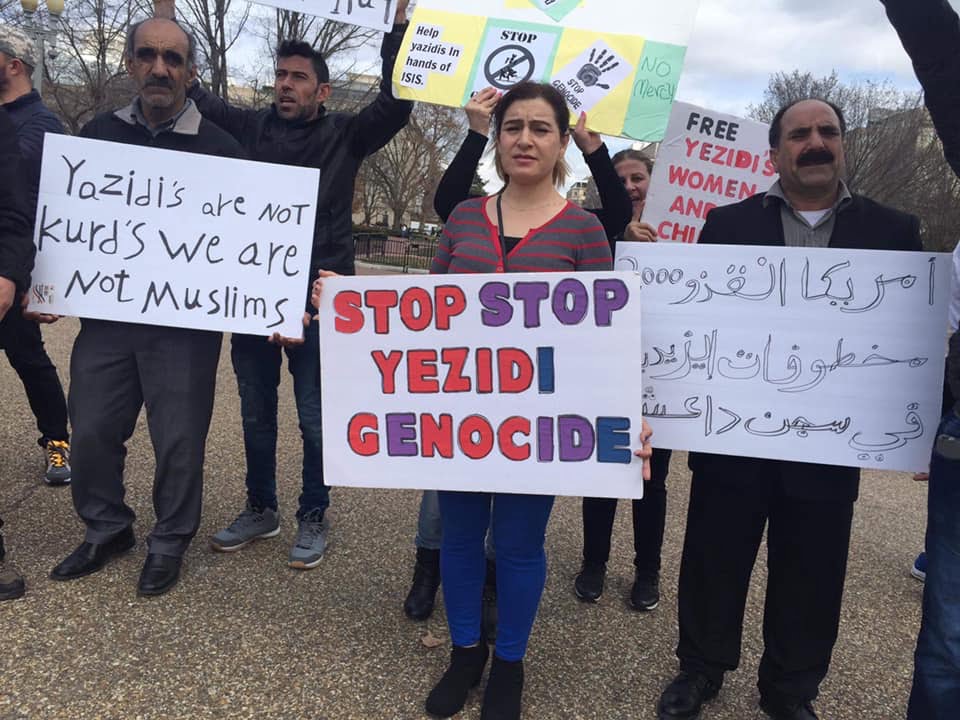
The Yezidis, also known as Ezidis, are an ethnoreligious people predominantly residing in the Middle East, including Iraq, Syria, Turkey, and Armenia. The Yezidis are a distinct and separate group with their own unique identity. In this article we explain the multifaceted reasons why the Yezidis should not be mixed with the different people who see themselves as “Kurdish”.

Survivor Stories: Farhad Ali – An Advocate for the Rights of the Ezidis

When IS attacked the Ezidis and when many were forced to seek refugee in the Sinjar mountains, some effort were made to support and assist them. According to Farhad, the distribution of assistance was perhaps not optimal but it was at least something, considering that they had just survived a genocidal attack(s). However, due to the war between Ukraine-Russia and the situation in Palestine-Israel, the Ezidi genocide and all issues related to the Ezidis have been forgotten. Farhad explains that “Our people continue to suffer, and the effects of the genocide are still ongoing”, yet the suffering of the Ezidis has been overshadowed by other global issues that are of bigger political interest for the global powers.

Det tyrkiske ministerium beslutter at returnere kidnappet Ezidi-pige til ISIS-familie

I en chokerende og uden fortilfælde juridisk sag har de tyrkiske myndigheder anholdt et medlem af ISIS på anklager om “international menneskehandel”, efter en Ezidi-pige blev kidnappet og smuglet ind i Tyrkiet. Men Ministeriet for Familie- og Sociale Anliggender har mødt kraftig kritik for at tillade, at den samme pige, der tidligere var anbragt på et statsdormitory, blev returneret til den ISIS-familie, der havde bortført hende.

Ny lovforslag sigter mod at anerkende den unikke etniske identitet af Ezidierne – Kurdiske parlamentsmedlemmer er rasende

Hvorfor Ezidiernes identitet og anerkendelse skal justeres efter, hvad kurderne finder politisk passende for deres interesser. Dette viser faktisk, hvordan kurderne sigter mod en pan-kurdisk ideologi, hvor de forsøger at påstå alle minoriteter (både etniske og religiøse) for at have større territoriale krav mod Tyrkiet, Irak, Iran, Syrien og Armenien. Dette viser virkelig, hvordan den kurdiske identitet er kunstigt skabt og påvirket af kommunisme og nationalisme.

Armenien erklærer den 3. august som Mindedag for Ezidi-genocidet

Den 16. april 2024 blev der afholdt en ekstraordinær session i det armenske parlament for at diskutere forslaget om at udnævne den 3. august som en minde- og hukommelsesdag for ofrene for Ezidi-genocidet i Sinjar, som fandt sted i 2014. Denne lovgivning, foreslået af Rustam Bakoyan, en repræsentant fra det regerende “Civile Kontrakt” Parti og selv ezidi, har til formål at ære ofrene for ezidi-genocidet i Sinjar. Ændringen af loven “Eid og Minde Dage i Armenien” modtog overvældende støtte med 88 stemmer for.

The Ezidi Struggle in Iraq: Genocide, Persecution, and the Fight for Political Representation

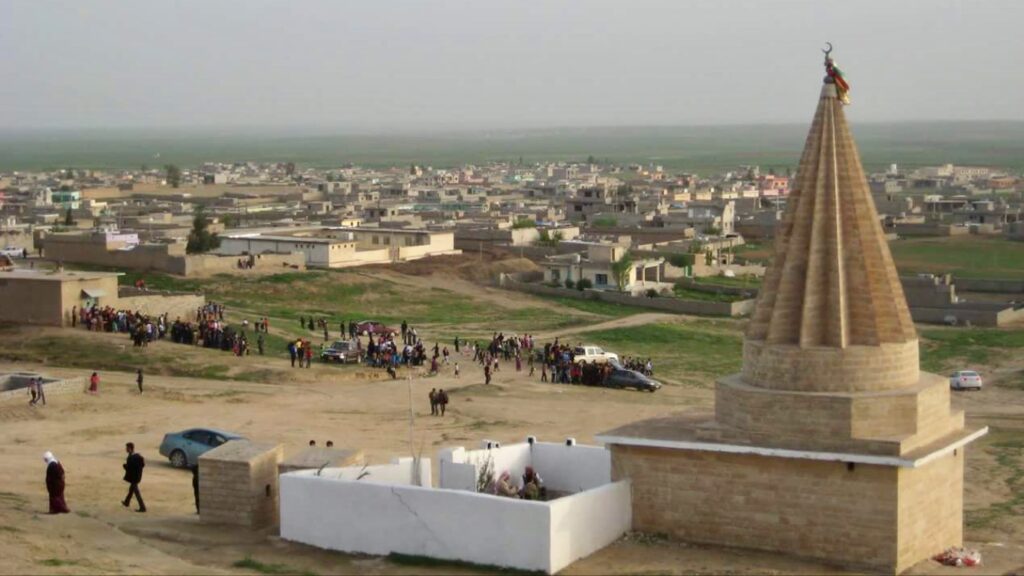
The Yezidis are an ethno-religious minority with the majority speaking Kurmanji, one of the main Kurdish dialects, according to researchers. Geographically, they are classified as a dispersed minority in demographic centres where population density is homogenous and concentrated. They are mainly located in contested areas across several residential clusters, notably in the Sinjar region (locally known as Shingal) and the Nineveh Plain, which falls administratively under the central government. This region includes the Shekhan district, along with numerous Yezidi villages and towns in the Tel Keppe district, as well as the cities of Ba’shiqa and Bahzani in Nineveh province. There are also smaller population clusters in the southern and western parts of Duhok province, which have been part of the Kurdistan region since 1991, including towns and cities such as Sharya, Khanke, Ba’adre, and Derabun.

Close