
Young Ezidi writers in Sinjar are using literature to document the history, identity, culture, and suffering of the Ezidi people, with new works focusing on memory and the impact of the 2014 Ezidi Genocide.
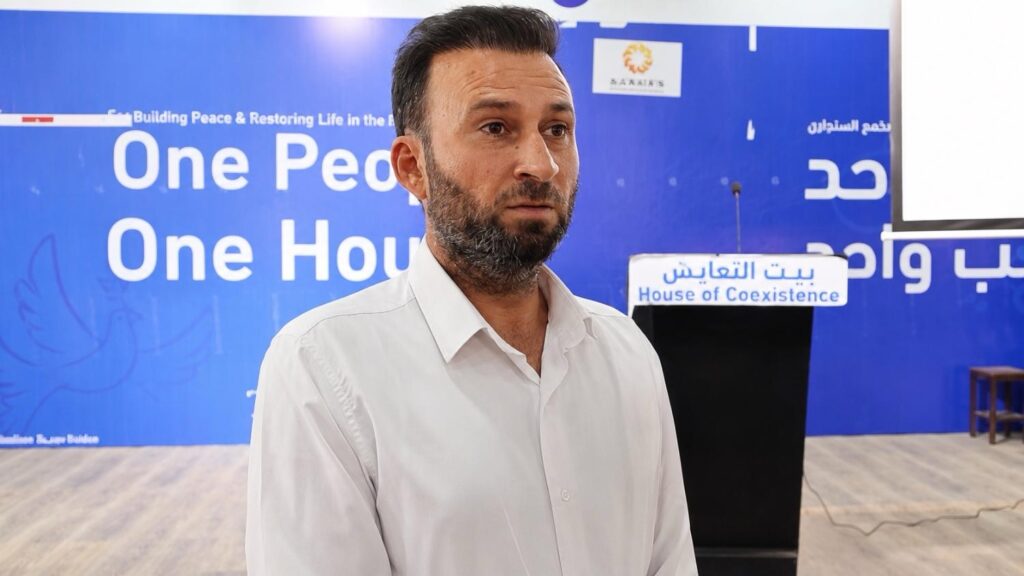
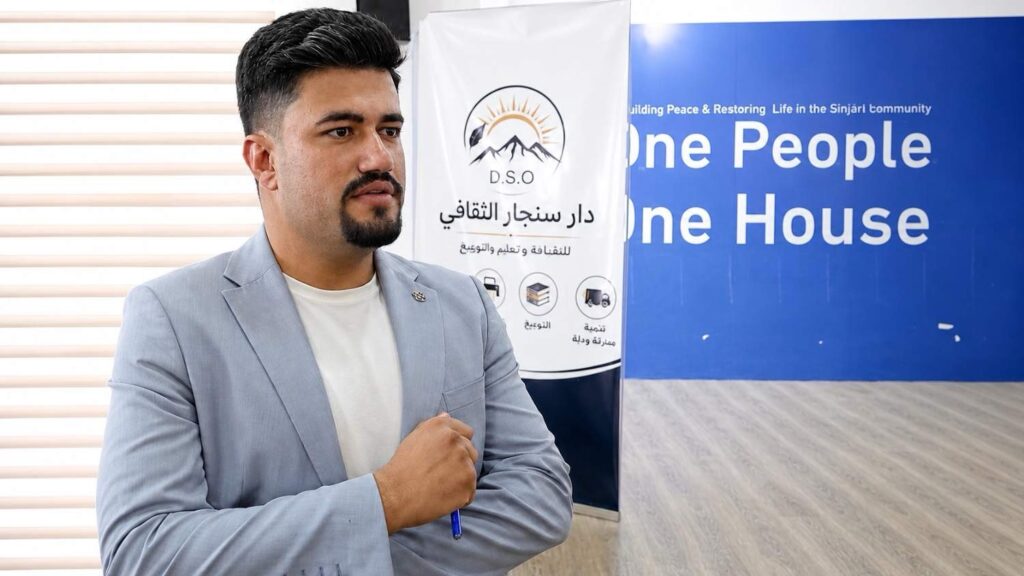
Two recent books by Merwan Dawid and Îbrahîm Êzidî have drawn attention to the growing role of young writers in preserving Ezidi experiences through written work. Their efforts are seen as part of a wider cultural movement in Sinjar, where literature is becoming an important tool for remembrance and identity preservation.
Merwan Dawid’s new book, [Kezî], includes stories connected to different places and experiences, including the pain and hardship Ezidis endured in 2014. The work reflects a broader need for Ezidis to write their own history and ensure that their voices are not lost or misrepresented.
For many young Ezidi writers, documentation is not only a cultural act, but also a responsibility toward future generations. Writing about Ezidi history, Sharfadin, identity, and collective trauma helps preserve memory while encouraging younger readers to remain connected to their heritage.
The publication of new works by young Ezidi authors is an important step in strengthening literary and cultural life in Sinjar after years of genocide, displacement, and destruction.