

The Importance of Women in Society

Women are the quiet strength of every society. Even in the face of violence, displacement, and loss, they continue to protect their families, educate their children, and preserve culture. Among the Ezidis, women have shown that survival alone is not enough; they transform suffering into resilience and silence into voice. Their actions prove that the true power of a society is revealed not in how it dominates, but in how it values and listens to its women.
Ezidi Girl Receives Citizen of the Year 2026

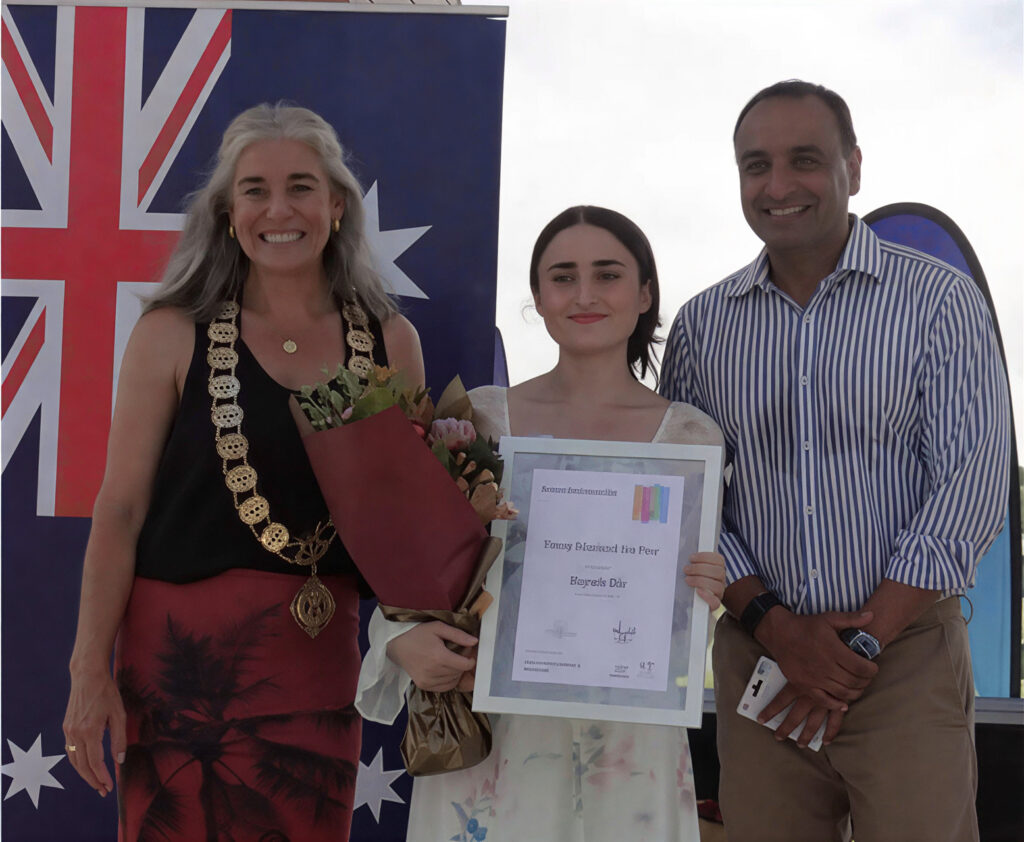
An Ezidi girl has been recognised at the Coffs Harbour Australian Citizen of the Year Awards 2026. Mayada Oso, who arrived in Australia in 2018 after surviving the Ezidi genocide, received the Young Citizen of the Year award for her achievements in education and her work supporting students. Her journey from captivity to leadership and service reflects the resilience of Ezidis and their continued strength after genocide.

Haje Bakoyan: Advancing Women’s Rights and Social Change Among Ezidis in Armenia

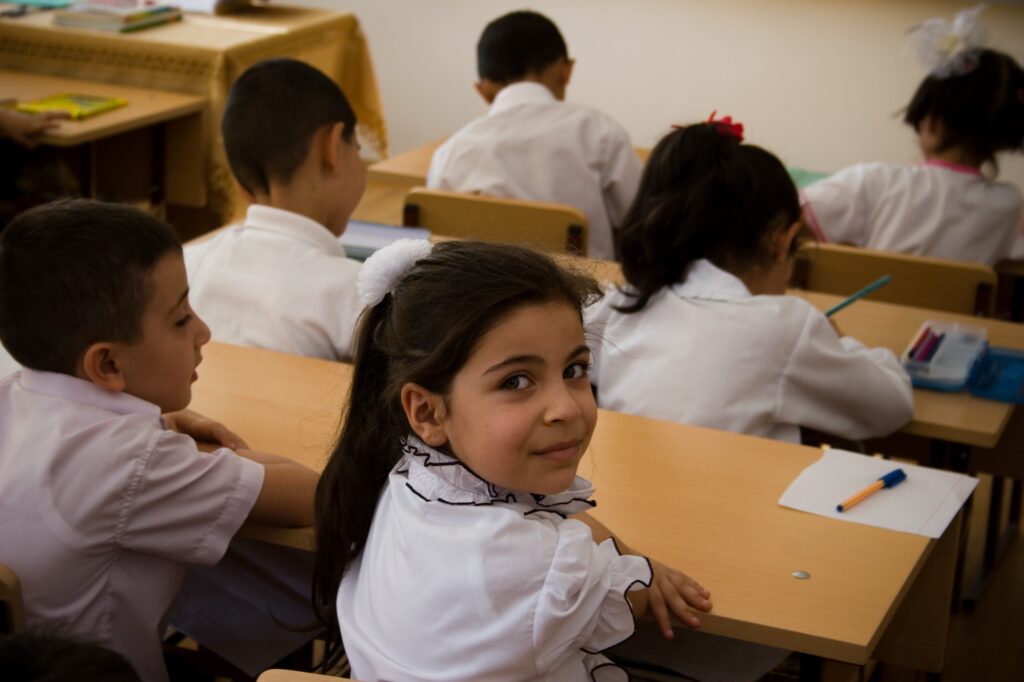
Haje Bakoyan is a leading Ezidi activist in Armenia working to expand educational and social opportunities for Ezidi women and girls. As the director of Shams Humanitarian NGO, she addresses challenges such as early marriage, limited access to education, economic exclusion, and lack of self-confidence among Ezidi girls. Her work is grounded in the belief that lasting change can occur without abandoning Ezidi traditions or the faith of Sharfadin, by strengthening families, promoting education, and creating space for women to participate fully in social and economic life.

Nadia Murad Honored with Doctorate in Peru for Her Work Defending Human Rights

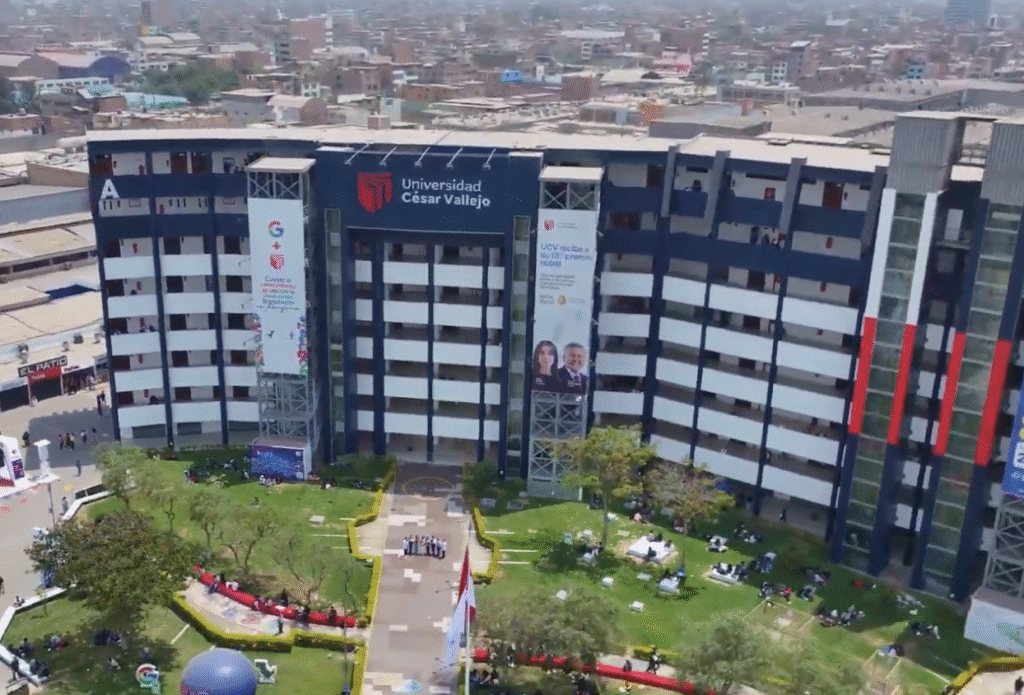
Nadia Murad has been awarded an honorary doctorate by César Vallejo University in Peru for her global advocacy against sexual violence in conflict and her ongoing work for Ezidi survivors. During the university’s 34th anniversary ceremony, Murad highlighted the power of education in rebuilding lives after genocide — a message that continues to resonate more than a decade after the 2014 atrocities.

USAID Funding Cuts Leave Ezidi Displacement Camps in Crisis

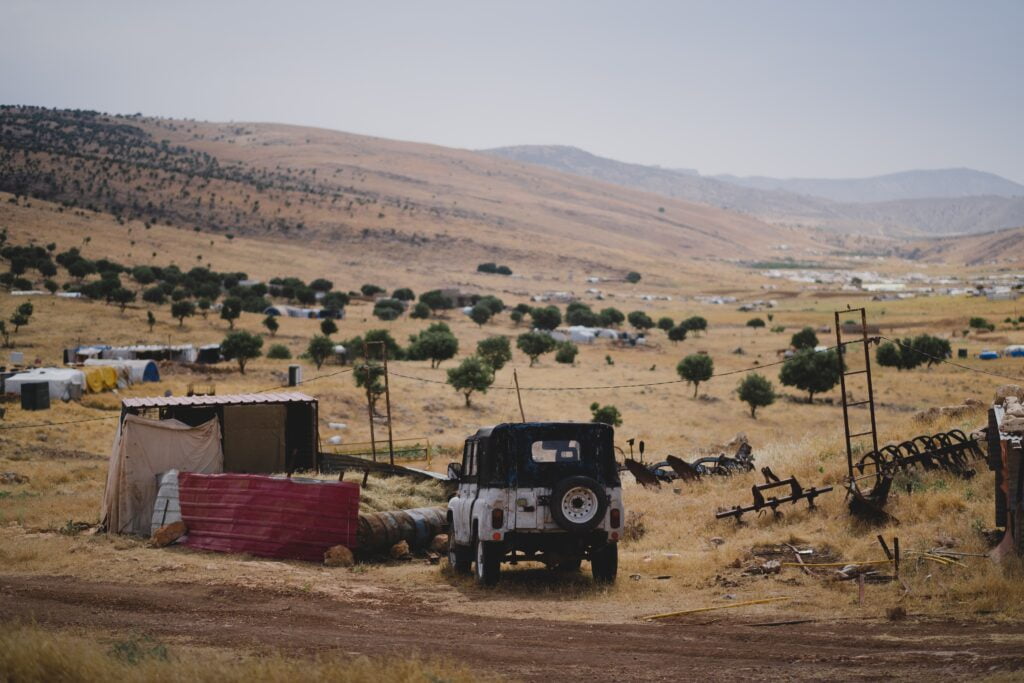
The Ezidi people, an ancient ethnic and religious group from northern Iraq, continue to face dire conditions in displacement camps years after ISIS attacks forced them from their homes. The reduction in funding from the U.S. Agency for International Development (USAID) has severely impacted reconstruction efforts, access to medical care, and essential services in camps where many Ezidis remain internally displaced.

Without Educated Girls – There Is No Ezdixan

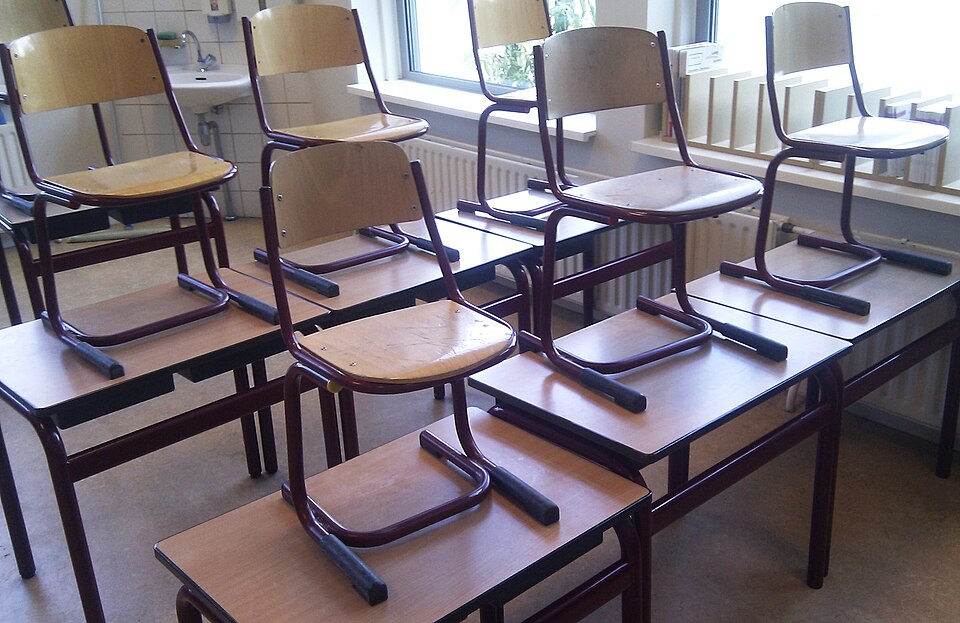
Having more educated and well-established individuals benefits all Ezidis (mlete Ezdia) across the world. With more empowered Ezidis, we stand a better chance of protecting ourselves, having our voices heard internationally, and perhaps even achieving our collective dream of rebuilding our ancestral homeland, Ezdixan. But we cannot achieve this by relying solely on men. We need both male and female Ezidis who are educated, respected, and hold high-level positions. That is the path to true success and prosperity. Forcing girls into early marriages solely to bear children—children who, due to a lack of access to proper education and career development, are unlikely to become strong contributors to our society—while expecting men to shoulder all the burden, is naïve. Just look at any successful nation: observe how their women equally contribute to solving collective problems. See how strong and prosperous those societies are.

Ezidi Life Ten Years After the Genocide: A Look at Youth and Male Survivors

Many Ezidis remain unable to return to their homeland in Sinjar due to ongoing insecurity, political tensions, and the destruction left behind. Thousands continue to live in camps with limited access to education, healthcare, and employment opportunities. Even those who have managed to return face immense hardships, with homes in ruins, infrastructure in poor condition, and economic instability making survival difficult. Justice remains elusive, as many perpetrators of the genocide are still free, and international attention has largely faded, leaving survivors feeling abandoned.