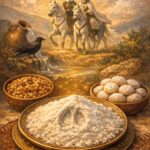

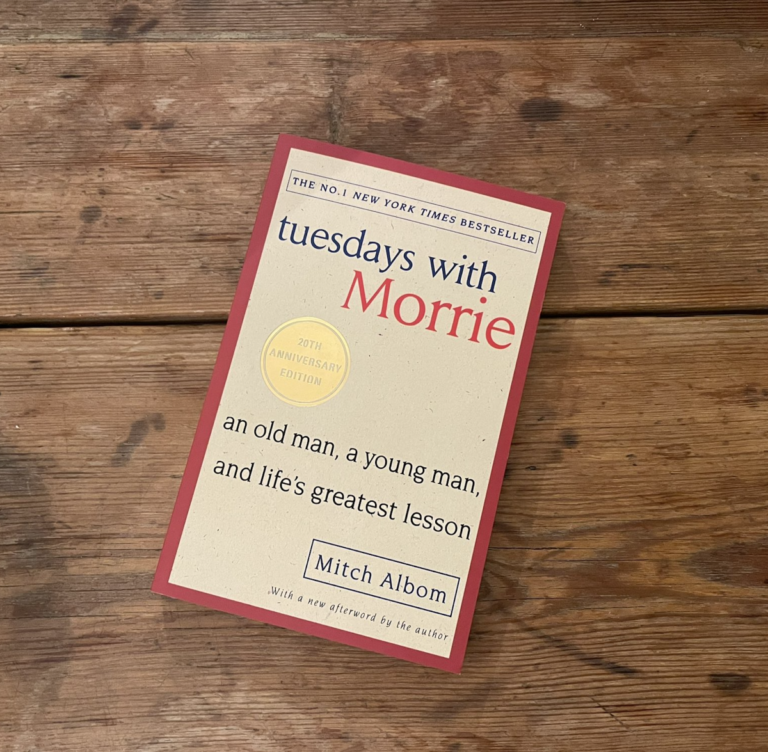
The Handmaid’s Tale by Margaret Atwood
In The Handmaid’s Tale, Margaret Atwood presents Gilead, a dystopian society where women are systematically stripped of their rights and autonomy. While fictional, the novel resonates profoundly with the lived experiences of many Ezidi women. Unlike the imagined oppression of Atwood’s characters, the suffering of Ezidi women is real: they were forced to lose their identities, remain silent, endure sexual violence, and bear children under coercion, solely because of their heritage.
Atwood’s narrative echoes these harsh realities. Like the women of Gilead, Ezidi women were denied freedom, dignity, and happiness, yet they continue to survive, resist, and reclaim their voices. The novel underscores a universal truth: across the world, many women continue to confront systems that seek to silence them, and their courage serves as a powerful call to defend human rights.
The story’s chilling plausibility demonstrates how fiction can illuminate truths about the real world. Atwood’s work serves as a reminder that the struggles depicted in literature often mirror lived experience, inviting readers to reflect, empathise, and act in support of those whose voices have been suppressed.
About the Author
Fadya Bakr Qasim
Fadya Bakr is an Ezidi writer and English major with a deep passion for reading and literary analysis. She enjoys exploring meaningful stories and sharing insights that illuminate culture, identity, and human experience. Through her work, Fadya aims to highlight diverse perspectives, raise awareness about Ezidi culture, and connect literature to real-life challenges. Her writing encourages readers to think critically, appreciate different voices, and engage with the rich heritage of the Ezidi people.

I believe one of the core purposes of literature is to reflect a lived reality through an artistic lens, allowing the reader to re-examine their own life through the writer’s perspective and to see it from a different angle. This is precisely what Fadya articulated, and what I am trying to do as well: to mirror the Yazidi experience in Iraq over the past decade in a way similar to how women’s experiences were portrayed in Margaret at wood—not as history alone, but as an inner, human truth.
Thank you Ameen for your comment. Yes, indeed. One of humanity’s strongest power is to be able to make stories and memories last and pass on for generations. Telling our stories, sharing and comparing is truly what makes us human. We are really happy that you like our new correspondent, Fadya’s work.