

This article is a summary of the original review by Gavin McDowell, Sects, Lies, and Videotape: Resheba: The Dark Wind (2016), published February 26, 2026.
The film Resheba: The Dark Wind (2016), directed by Hussein Hassan, offers a restrained and deeply personal portrayal of the suffering experienced by the Ezidi people during the ISIS attacks in 2014. Rather than focusing on large-scale violence or dramatized conflict, the film centers on the everyday reality of displacement, trauma, and survival.
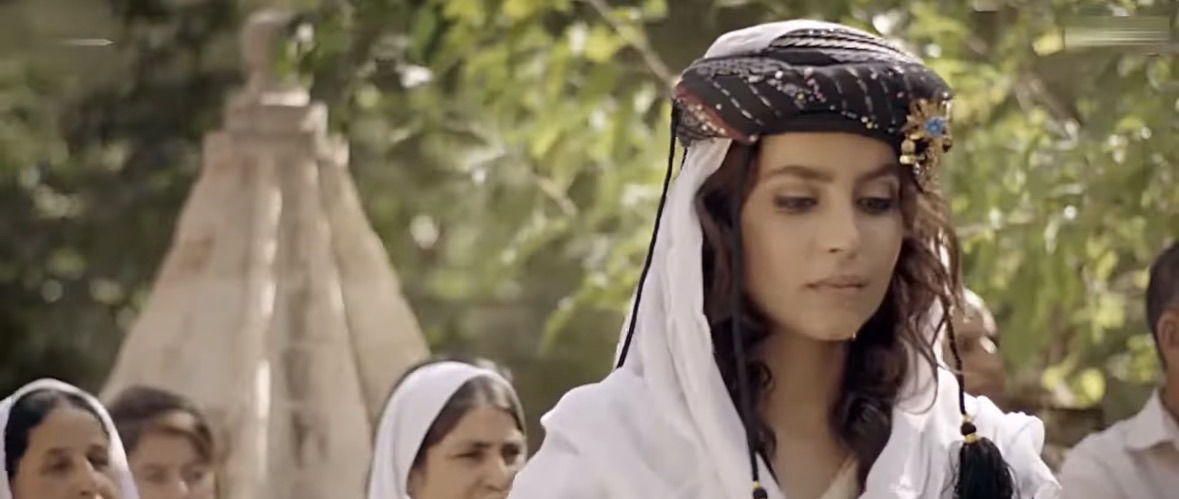
The story follows a young couple whose lives are shattered when ISIS attacks the Sinjar region. The man is forced to flee, while the woman is captured and later rescued. Much of the film unfolds in a refugee camp, where the emotional and psychological consequences of captivity are explored through the experiences of the woman and her family.
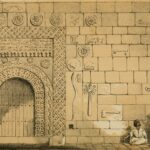
The film also presents elements of Ezidi religious life, including references to Lalish, the spiritual center of the Ezidi people, and the importance of Melek Taus, the Peacock Angel. However, it does not attempt to fully explain the complexity of the Ezidi faith, instead using cultural context to support a broader, human story about trauma and resilience.
Unlike many films about war and genocide, The Dark Wind avoids sensationalism. It does not depict graphic violence or rely on clear narratives of heroes and villains. Instead, it focuses quietly on the aftermath—on loss, silence, and the difficulty of rebuilding life after extreme suffering.
While modest in production, the film holds significance as one of the early cinematic portrayals of the genocide against the Ezidi people. It reflects events that were still ongoing at the time of filming, giving it a sense of immediacy and authenticity.
Overall, Resheba: The Dark Wind stands as a somber and reflective work that highlights the human dimension of the Ezidi tragedy, emphasizing endurance rather than spectacle.