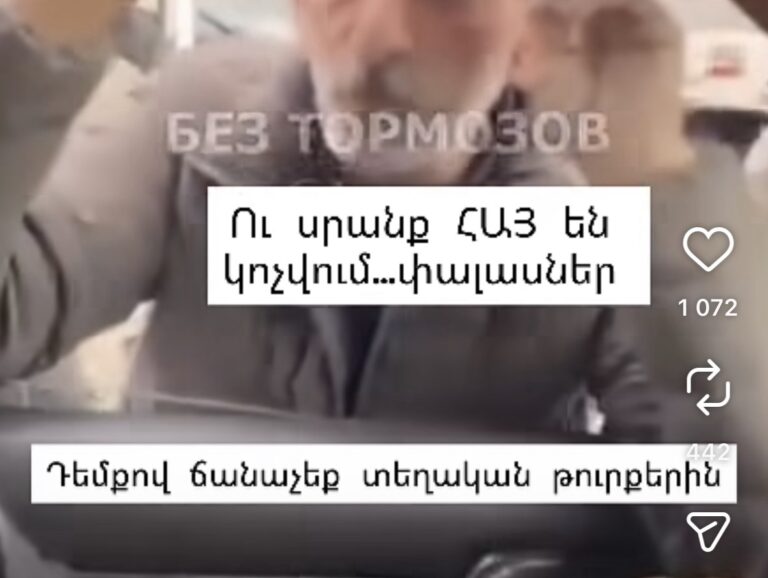

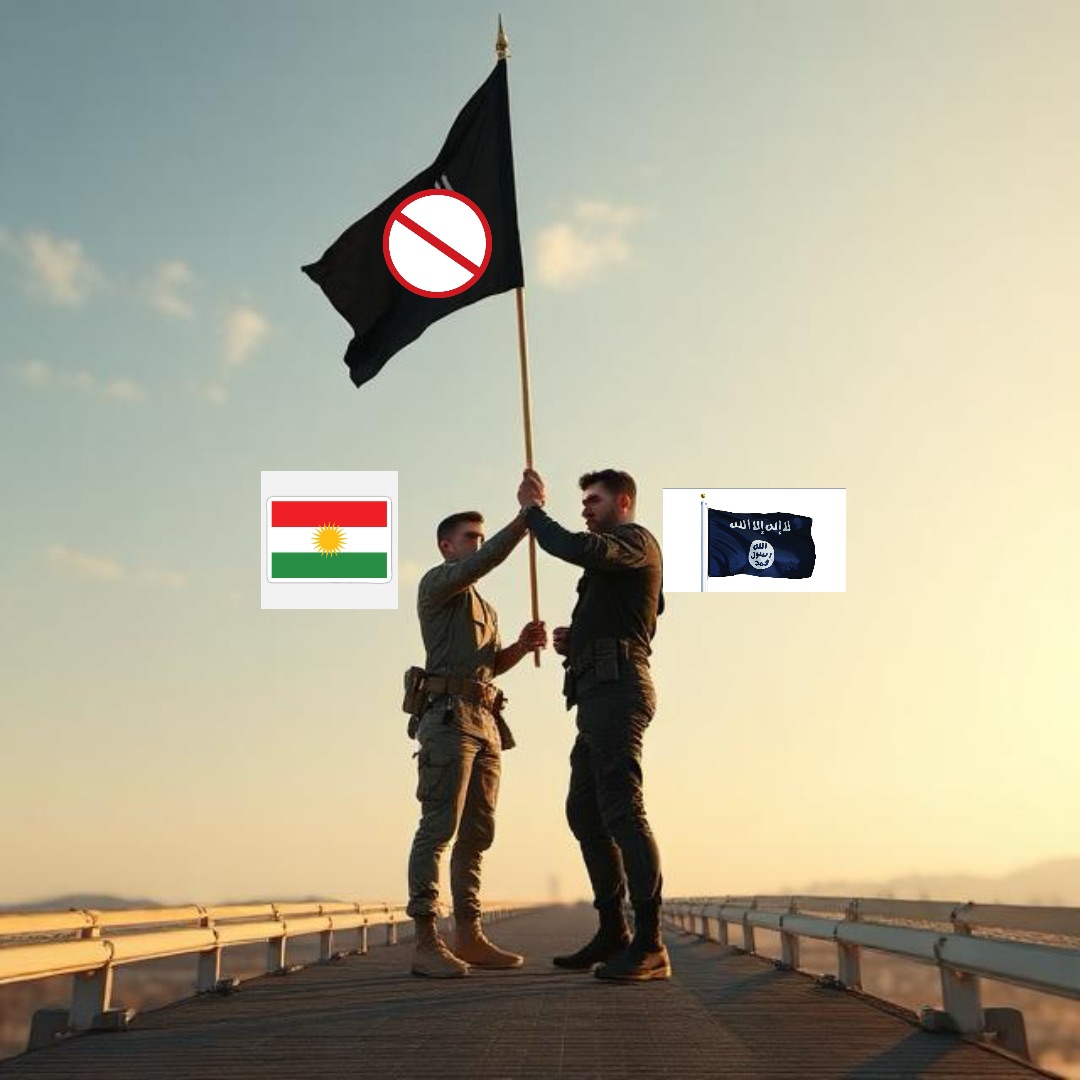
This investigation is based on multiple in-depth reports published by The Cradle between 2024 and 2025, combined with newly obtained video material from sources who have requested anonymity for security reasons. The videos show Kurdish Peshmerga forces directly interacting with ISIS fighters, reinforcing a body of evidence long documented by Ezidi survivors, researchers, journalists, and legal filings.
A Coordinated Pattern – Not Isolated Incidents
The genocide committed against the Ezidis in Sinjar in August 2014 was not an isolated crime carried out spontaneously by ISIS. It was the culmination of a long and systematic process involving political planning, military facilitation, and territorial ambition.
For years, Ezidi survivors have stated that the forces presented as their protectors were directly involved in enabling their destruction. Newly surfaced video evidence showing Kurdish Peshmerga interacting openly and cooperatively with ISIS fighters confirms what Ezidis have consistently reported since 2007.
2007: The Massacre That Preceded the Genocide
On 14 August 2007, coordinated truck bombings struck the Ezidi towns of Tel Ezer and Siba Sheikh Khidr, killing more than 800 Ezidis (some sources state that more than 1200 got killed). The scale of the attack made it one of the deadliest terrorist acts in modern history.
The bomb-laden trucks passed through multiple checkpoints controlled by Peshmerga forces. Shortly before the explosions, those checkpoints were abandoned. Survivors confirmed that no inspections were carried out and that the attackers entered populated Ezidi areas without obstruction.
After the explosions, Peshmerga forces opened fire on civilians fleeing the blast zones, killing additional Ezidis, including children. Iraqi officials described the explosions as resembling a “mini-nuclear blast,” indicating access to quantities of explosives beyond the capabilities of non-state actors acting alone.
Disarmament and Containment Before August 2014
In the months leading up to the 2014 genocide, Ezidis in Sinjar were systematically disarmed. Peshmerga forces confiscated weapons from Ezidi civilians and from Ezidi soldiers returning after the collapse of the Iraqi army in Mosul.
At the same time, Ezidis were prevented from fleeing Sinjar. Civilians attempting to leave were stopped at checkpoints and ordered to return home. Some were threatened with gunfire. Others were explicitly told that fleeing was forbidden and that protection was guaranteed.
Public assurances by KDP officials that Sinjar would be defended “until the last drop of blood” functioned in practice as a mechanism to keep Ezidis trapped.
When ISIS attacked Sinjar on 3 August 2014, Peshmerga forces withdrew in a coordinated and orderly manner, without warning civilians and without engaging the attackers.
Independent researchers confirmed that in most locations, Peshmerga units withdrew without firing a single shot. The withdrawal was ordered by senior leadership and occurred before civilians were able to escape.
At checkpoints, Ezidis were told to stay in place and were assured that reinforcements were arriving. Hundreds of Ezidi fighters who trusted these assurances remained behind and were later massacred.
In several documented cases, Peshmerga commanders refused to leave weapons for Ezidis who chose to defend their villages. When Ezidi fighters insisted, confrontations occurred, including incidents where Ezidi Peshmerga members were killed by their own commanders for demanding arms.
Blocking Escape Routes to Mount Sinjar
As ISIS advanced, Peshmerga forces blocked key roads leading to Mount Sinjar, the only viable escape route for civilians.
Convoys of fleeing Ezidis were stopped at gunpoint and forced to wait while Peshmerga vehicles evacuated first. In one confirmed case, a military vehicle was deliberately positioned to block a mountain road and falsely claimed to be broken down. Civilians were ordered to turn back. ISIS forces arrived shortly afterward and captured hundreds.
Survivors of enslavement later confirmed that these “delays” directly enabled their capture.
Direct Kurdish Participation in The Genocide
Ezidi survivors consistently reported that ISIS forces included Kurdish members from nearby towns and villages. These individuals participated in house-to-house searches, executions, and abductions.
Eyewitnesses described seeing Peshmerga fighters remove their uniforms and put on ISIS clothing during the attack. Others identified former neighbors among the perpetrators.
After the genocide, multiple Ezidis reported Kurdish ISIS members to local authorities. No investigations or prosecutions followed.
While Ezidis were disarmed, weapons were sold. Researchers and military experts documented that arms confiscated by the Peshmerga were sold through smuggling networks and reached ISIS via Syria.
These transactions occurred under the authority of senior commanders who were never arrested or held accountable.
After ISIS withdrew from Sinjar in 2015, the city was captured with minimal fighting. ISIS fighters fled almost immediately. Sinjar was then claimed as conquered territory rather than returned to its Ezidi population.
A prolonged blockade followed, preventing displaced Ezidis from returning home. Nearly a decade later, hundreds of thousands remain confined to camps in northern Iraq under political control, described by experts as prison-like environments sustained by international aid while return and reconstruction are deliberately obstructed.
Video Evidence and the Weight of Truth
The newly obtained videos showing direct interaction and alignment between Peshmerga forces and ISIS fighters provide visual confirmation of what Ezidis have documented for years through testimony, loss, and survival.
Taken together, the 2007 bombings, systematic disarmament, blocked escapes, coordinated withdrawal, participation of Kurdish ISIS members, post-genocide occupation, and now video evidence; the conclusion is unavoidable:
The genocide of the Ezidis was not an accident, not a failure, and not the work of ISIS alone. It was enabled, facilitated, and exploited by forces that claimed to be allies and protectors.
Until this reality is acknowledged and accountability is enforced, justice for the Ezidis and safety for those still alive will remain denied.