
Lats week, a series of fires swept through Ezidi displacement camps near the city of Zakho in Iraq’s Duhok province, causing extensive material losses and once again exposing the fragile living conditions endured by displaced Ezidis more than eleven years after the 2014 genocide.
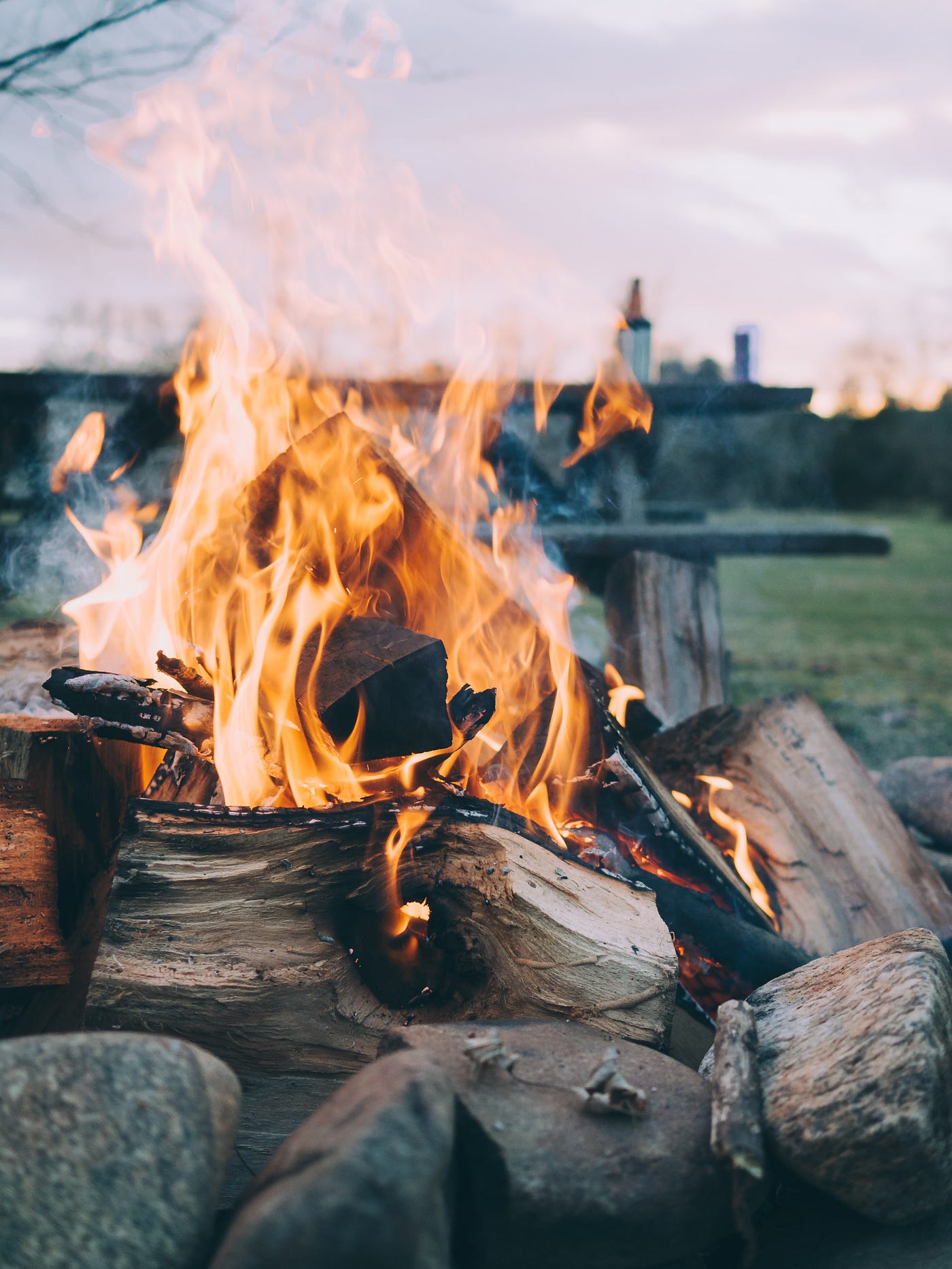
The most severe incident occurred at the Bajed Kandala camp, where a fire broke out around 6 a.m. in the camp’s market area. The blaze lasted for nearly two hours and destroyed between 30 and 50 shops, which served as the primary source of income for many displaced families. While no human casualties were reported, the financial damage was significant. Firefighting teams managed to contain the flames before they reached residential tents, preventing an even larger disaster. Preliminary assessments indicate that the fire was caused by an electrical short circuit.
Bajed Kandala camp is home to over 1,600 Ezidi families. For many residents, the small shops inside the camp represent years of effort to rebuild a minimum level of economic stability after losing homes, land, and livelihoods during ISIS attacks. The destruction of these shops has pushed already vulnerable families into deeper uncertainty.
On the same day, another fire erupted at the Bersive camp, north of Zakho. This incident led to the complete destruction of three tents and caused additional material losses. Civil defense teams responded quickly and managed to prevent the fire from spreading further. As with the Bajed Kandala fire, initial findings suggest an electrical fault as the cause. Bersive camp shelters more than one thousand Ezidi families who were displaced from Shengal following ISIS assaults.
Ezidi representatives have strongly criticized the lack of safety standards and oversight in displacement camps. Ezidi member of parliament Vian Dakhil stated that the Iraqi government bears responsibility for the Bajed Kandala fire, pointing to long-standing negligence in camp infrastructure and protection measures. She emphasized that hundreds of families lost their only source of income and called for immediate compensation, the formation of an emergency committee to assess damages, and concrete preventive measures to avoid similar disasters in the future.
These incidents are not isolated. Fires have repeatedly occurred in displacement camps across northern Iraq, often linked to unsafe electrical systems, overcrowding, and inadequate infrastructure. The latest fire at Bajed Kandala is the second in just three months, underscoring the persistent risks faced by displaced Ezidis.
Despite the military defeat of ISIS years ago, thousands of Ezidis continue to live in camps, unable or unwilling to return to their places of origin due to ongoing insecurity, lack of reconstruction, destroyed homes and businesses, and limited access to basic services. While authorities have expressed intentions to close displacement camps, human rights advocates continue to stress that any return must be voluntary, safe, and dignified.