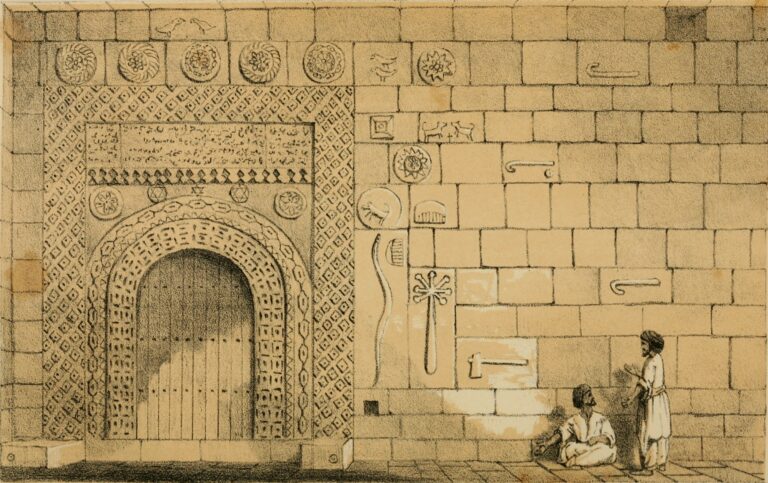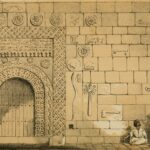
After decades of silence, Mağara Village, an Ezidi settlement (Gundê Kîwexê) in Şırnak’s Idil district, is opening its doors to tourists. Once forcibly abandoned during decades of regional violence, the village now offers a rare glimpse into the history and heritage of the Ezidis, followers of Sharfadin, one of the world’s oldest religions.
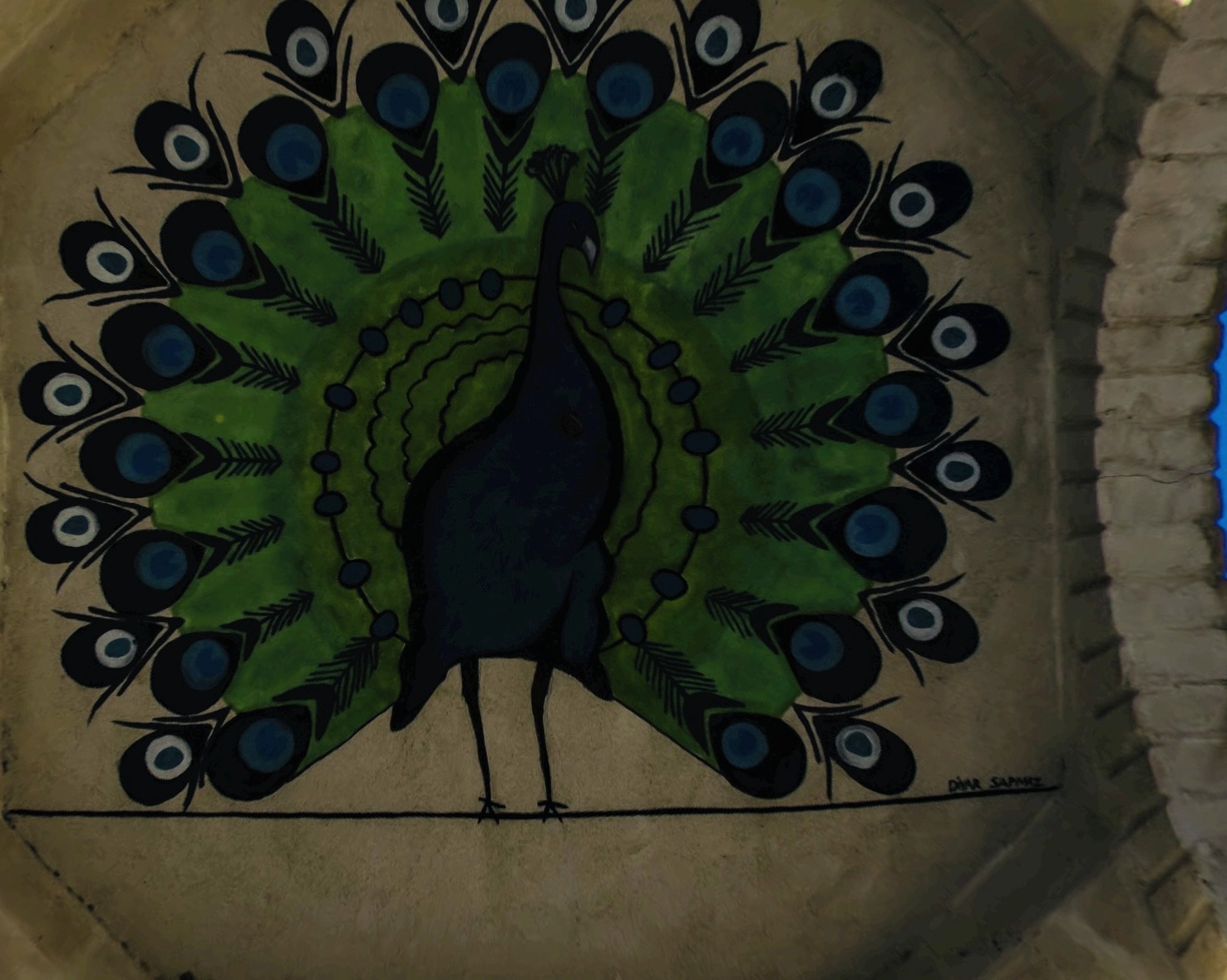
For centuries, Ezidis lived in Mağara, preserving their beliefs and traditions through oral storytelling and sacred rituals. Central to their faith is the Peacock Angel, a symbol of goodness that has been misunderstood for centuries. Historical persecution and repeated massacres (known locally as “fermans”) forced the villagers to leave their ancestral homes, leaving the Sharfadin’s sacred spaces empty for decades.
The Ezidis’ practices, such as turning to the sun in prayer, respecting cemeteries as holy spaces, and observing symbolic traditions like avoiding the color blue, survived in memory. During the abandonment, military guards in the region pressured Ezidis, partly because they were non-Muslims with a different belief system and partly because the guards themselves sought to settle in the area.
Now, Mağara Village is being revived as a tourism site to educate visitors and correct common misconceptions about the Ezidis. The initiative highlights the Ezidis’ resilience, their cultural heritage, and the spiritual depth of a people whose history has often been silenced or misunderstood.
By reopening the village, the Ezidis aim to preserve their traditions, honor their ancestors, and share the true story of their faith and identity with the wider world; reminding visitors of a people who have endured centuries of hardship and misrepresentation.
Watch the full video on YouTube below: