


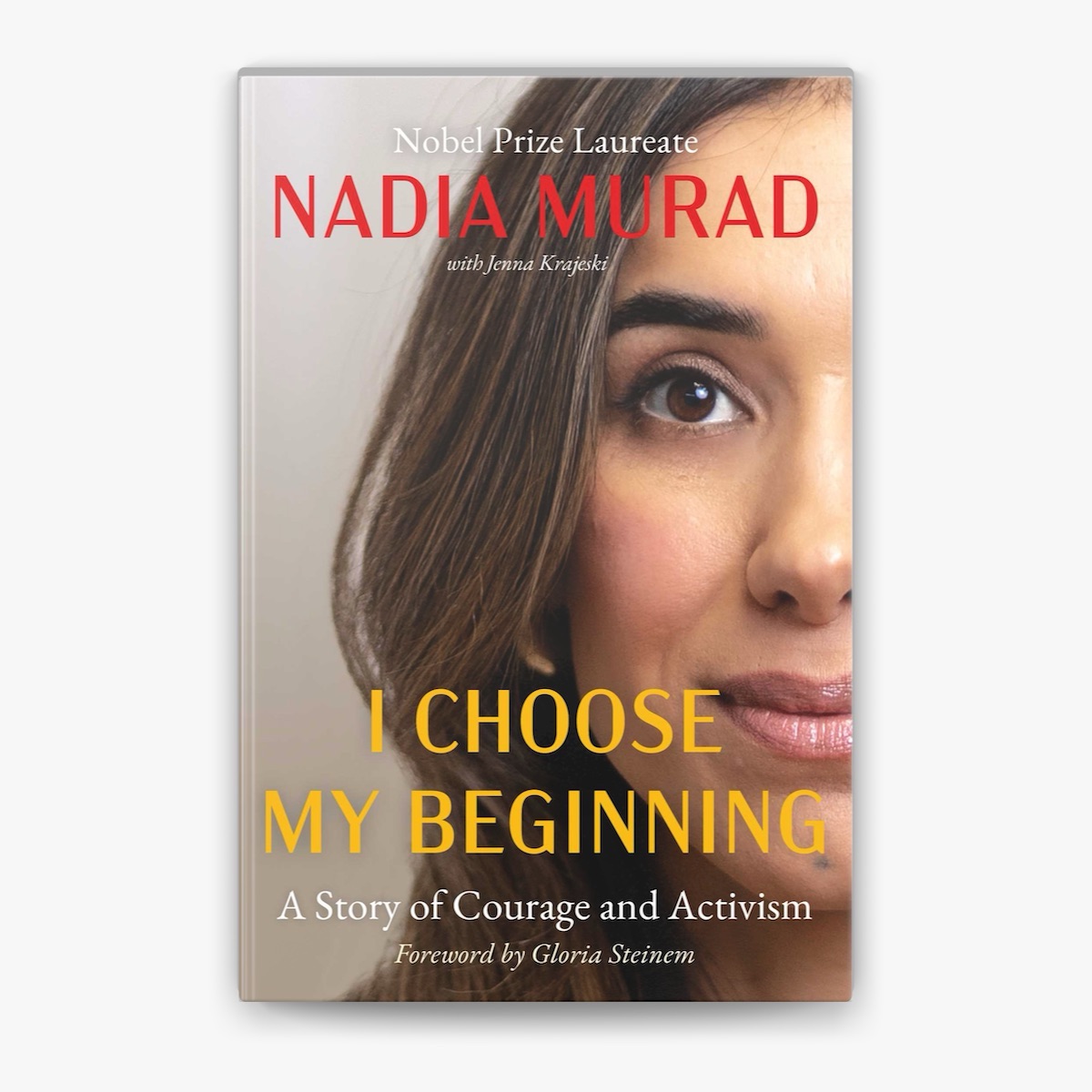
Nobel Peace Prize laureate Nadia Murad is set to release a new memoir titled ”I Choose My Beginning” in fall 2026.
The upcoming book marks a shift in focus from past trauma toward rebuilding life and reclaiming identity. Rather than centering only on the atrocities committed during the 2014 genocide against the Ezidi people in Iraq, the memoir explores how life continues afterward; healing, personal growth, and the ongoing pursuit of justice.
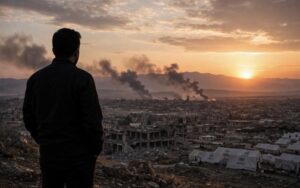
Murad’s life changed dramatically during the 2014 attacks on Ezidi areas, when armed fighters targeted her village. Members of her family were killed, and she was among thousands of Ezidi women captured and subjected to systematic violence and enslavement. After escaping captivity, she emerged as a leading global voice advocating for survivors of human trafficking and conflict-related sexual violence.
Over the past decade, she has played a significant role in bringing international attention to the genocide against the Ezidi people. Her work has contributed to increased recognition of survivor rights, accountability efforts, and broader discussions on justice and protection for vulnerable populations.
This new memoir reflects a different phase of her journey. It presents a perspective that goes beyond survival, focusing instead on resilience and the ability to rebuild a future despite profound loss. The narrative also situates her personal story within a wider global context, where displacement, conflict, and violence against women continue to affect millions.
The release of I Choose My Beginning is expected to resonate widely, particularly among those following ongoing developments related to justice and recognition for the Ezidi people. It also highlights the importance of long-term commitment in advocacy work, emphasizing that change often requires sustained effort over time rather than a single defining moment.
For many readers, the book will likely serve as both a continuation of Murad’s public journey and a deeper look into the personal process of moving forward after genocide.