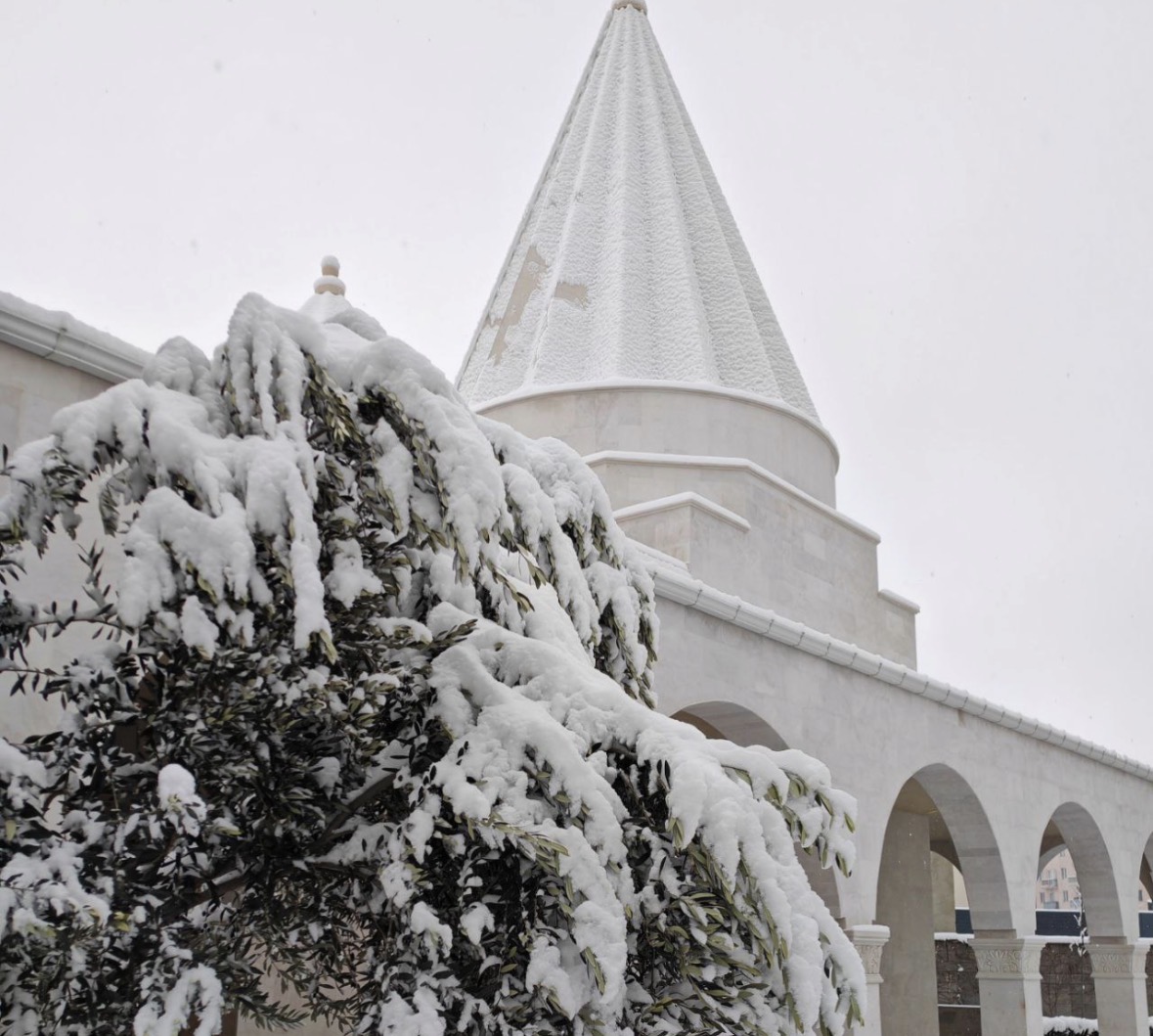
E’yda Çilê Zivistanê bimbarek-pîrozbe!
Twice a year, Ezidis celebrate the sacred feast of çla—the Forty Days—marking both the summer and winter observances, known respectively as Çilê Havînê and Çilê Zivistanê. These feasts follow the completion of a forty-day period of ascetic fasting and spiritual reflection. The winter feast is observed from January 31 to February 2, while the summer feast takes place from July 31 to August 2. In Ezidi tradition, the Forty Days, also called “forty-day ascetic devotion,” are known as çla.
Ezidi ascetics, following the Path of mystical knowledge, twice a year enter into forty days of seclusion, practicing strict asceticism. This tradition of forty-day devotion is ancient, predating many modern religions, and continues to be practiced in various cultures worldwide.
During this period of seclusion, the practitioner observes a forty-day fast, an essential aspect of following the mystical Path. An Ezidi who undertakes this fast is called a çilegir. If near a temple, the çilegir retires to a special cell, often small and dark, where he sleeps on a mat called a kulav. Much of the time is spent in meditation, sitting with head bowed, leaving the cell only for ritual ablution or discussions about the lives of saints and sacred texts. At times, even speaking is forbidden. The essence of çla lies in remembering God with the heart, achieving inner purification, and renouncing worldly desires.
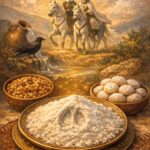
According to Ezidi Qewls, the forty-day fast was observed by Shikhadi himself, who withdrew into a cave (shkavt) for forty days, breaking his fast with only a single raisin (mavij). Forty of his closest companions, known as chehl mêrê Shikhadi, followed the same rigorous practice.
For Ezidis leading an ascetic life—the life of a dervish—periodic withdrawal from the world is essential. This forty-day seclusion (çla, arba‘iniya) may take place in solitary cells or communal monastic spaces. The practice is observed by the higher clergy, faqirs, monks at Lalish, and Ezidis devoted to a deeply spiritual way of life.
Source: Ezidi Serhad group under the leadership of clergymen from Quba Siltan Ezid temple in Georgia.