Sinuni is a place where history, language, and landscape meet. Its name, meaning “our spring” or “our water source” in the Ezidi language, reflects how deeply the town has been tied to survival in a region where water shaped settlement and movement. It is also a reminder of belonging; a word that speaks of a shared past and a land that has held Ezidi life for centuries.
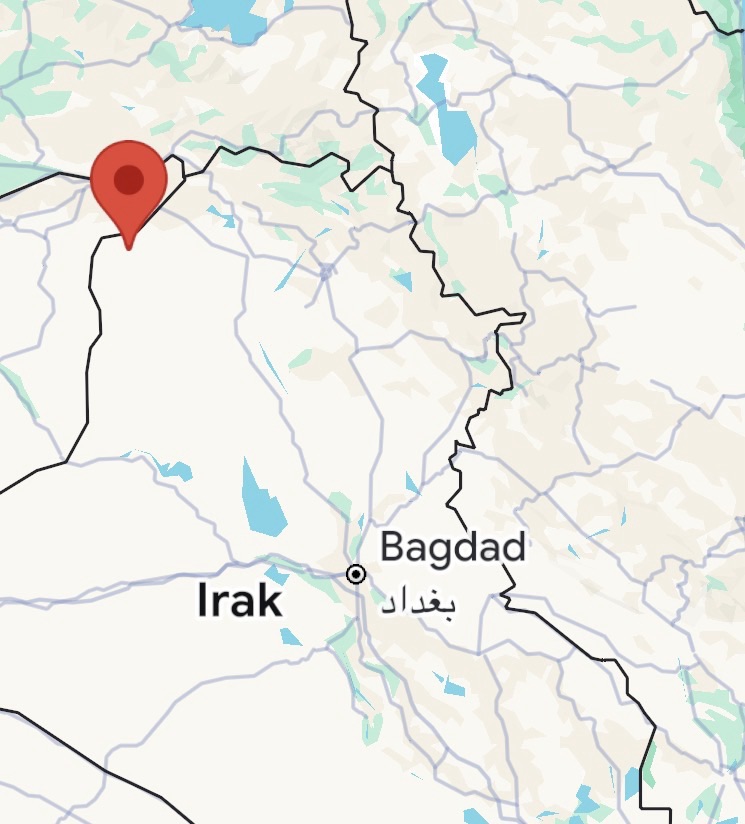
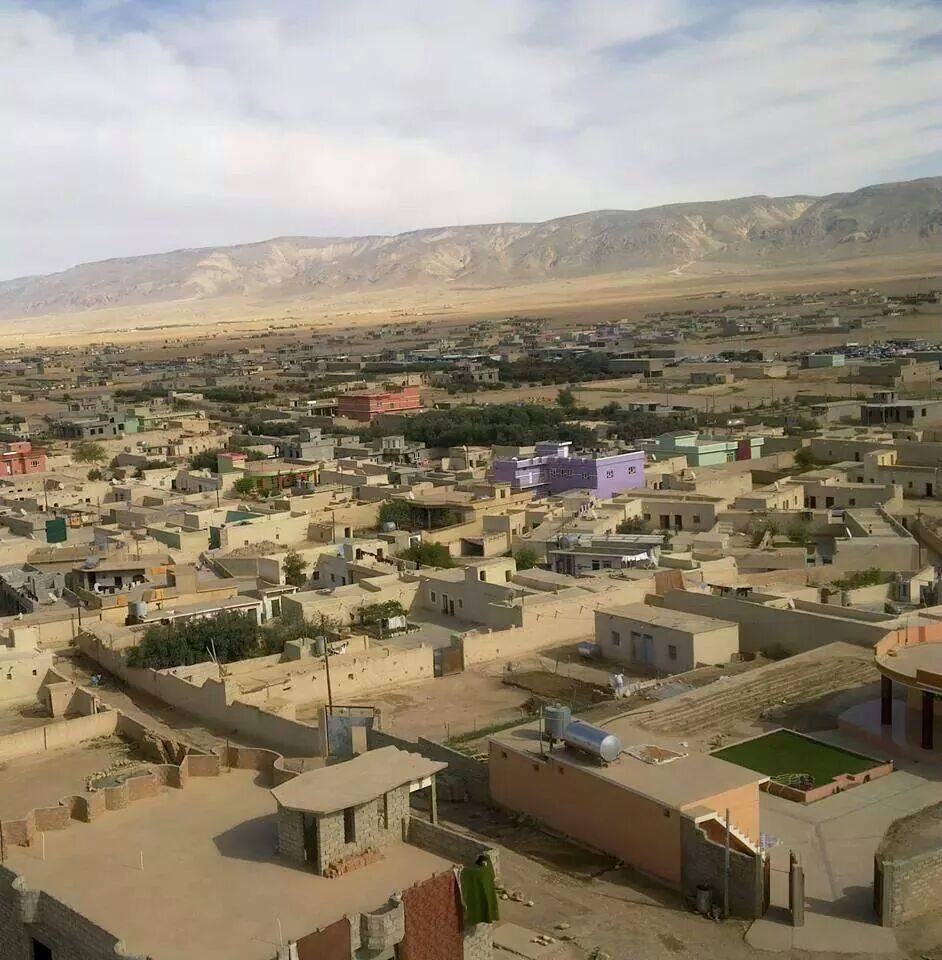
Located in the Sinjar District of northern Iraq, Sinuni has long been one of the central towns for Ezidis. Generations lived from its fields, celebrated their traditions, and passed down the stories of Sharfadin that bind the people to the region. Daily life here once followed a quiet rural rhythm, shaped by agriculture, family ties, and the surrounding mountains.
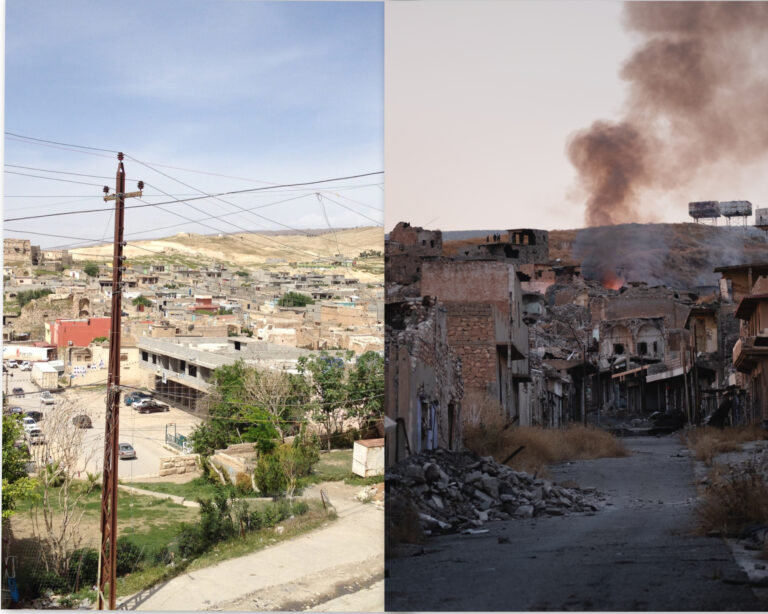
That rhythm was shattered in 2014. When ISIS swept across Sinjar, Sinuni was emptied, destroyed, and scarred in ways still visible today. Families who had lived there for centuries were forced into displacement; homes, shrines, and farms were left behind in ruins. The loss was not only physical. It cut through memory, continuity, and the sense of safety that once defined the town.
Yet Sinuni remains a testament to endurance. In the years since the genocide, Ezidis have returned to rebuild, often with little support, driven by the conviction that their future must remain tied to their land. Reconstruction is slow, uneven, and complicated, but it continues. Houses rise again from concrete shells, farmland is reclaimed, and life returns piece by piece. Each act of rebuilding is also an act of resistance — a refusal to let the town’s history end with destruction.
For visitors who come to the Sinjar region, Sinuni is a place that carries both the weight of tragedy and the quiet strength of those determined to restore it. Its fields, roads, and small markets tell a story not only of what happened, but of what survives. The meaning of its name, “our spring,” now speaks not only of water, but of renewal — a reminder that even after devastation, life can return.
Sinuni stands today as one of the places where the resilience of Ezidis is written into the land itself, and where the future is being rebuilt from the foundations of memory and belonging.