

Ezidi institutions and activists have raised grave concerns over renewed security threats following recent developments in Syria and Iraq, warning that decisions surrounding ISIS detainees and ongoing military escalations place Ezidis at risk of further violence, displacement, and erasure.
The Shengal Democratic Autonomous Assembly issued a statement expressing alarm over the transfer of ISIS members from detention facilities in Syria to Iraq. According to the Assembly, the presence of ISIS elements on Iraqi territory, particularly near areas where Ezidis previously suffered genocide, constitutes a direct threat to Ezidi safety and regional stability. The Assembly stressed that regions where ISIS committed genocide against Ezidis must not become sites of renewed ISIS presence under any circumstances.
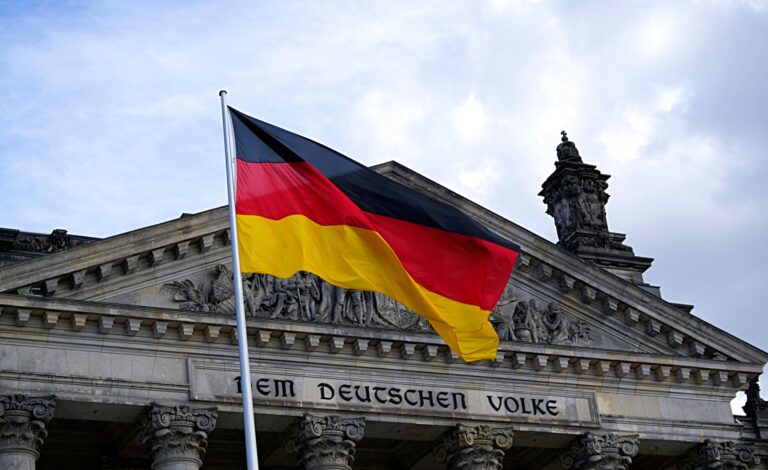
The statement highlighted reports indicating that thousands of ISIS members, the majority of them foreign nationals, are being transferred with Iraqi government approval. Ezidi representatives warned that even temporary placement of such individuals creates conditions for renewed violence, describing their presence as a latent security threat comparable to an unexploded weapon in the heart of the region. Calls were made for foreign ISIS members to be repatriated to their countries of origin and prosecuted with the participation of Ezidi victims and survivors.
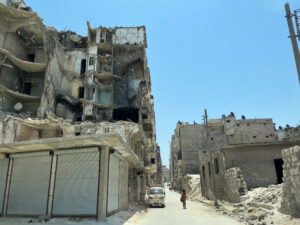
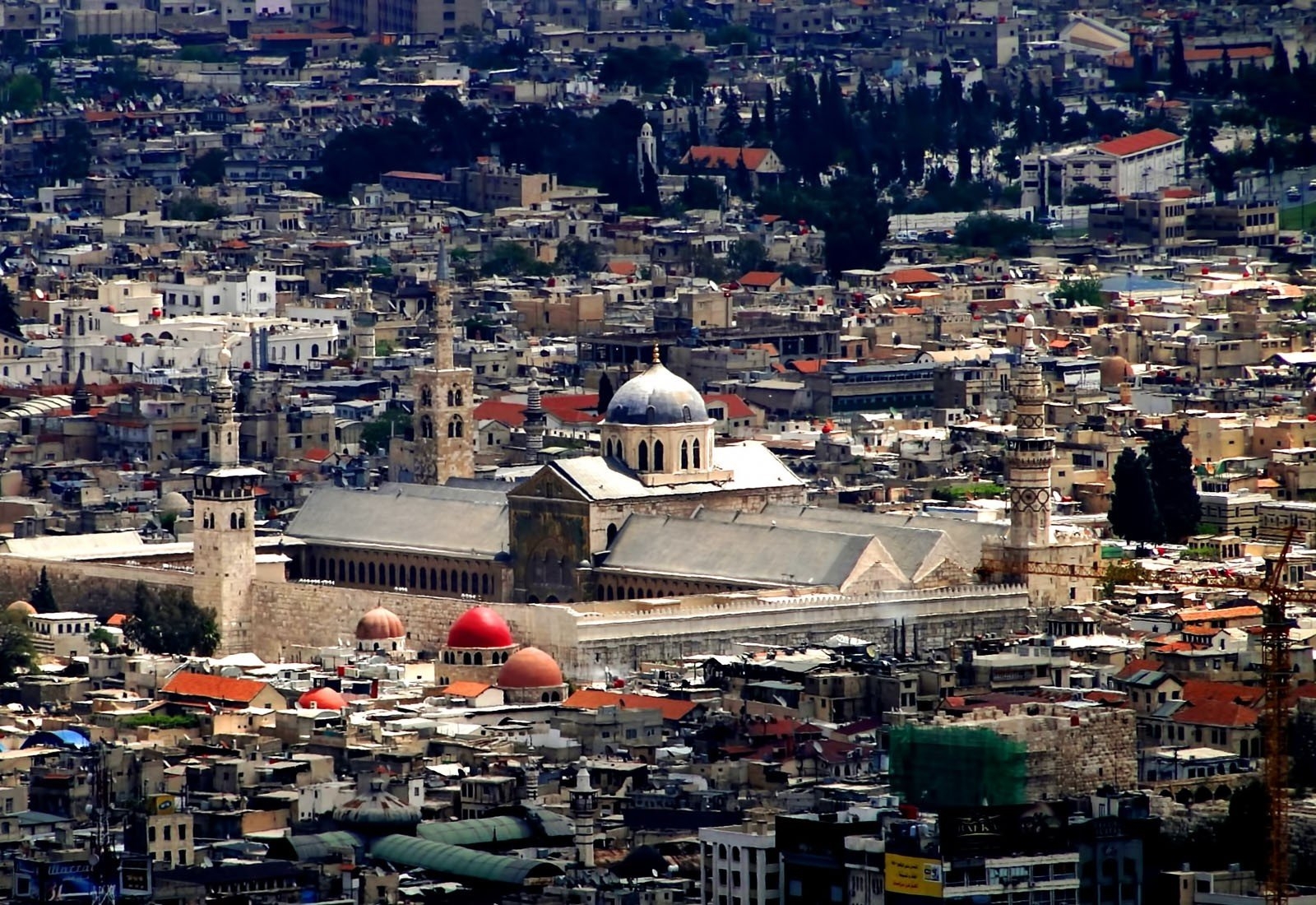
Ezidi concerns have also intensified due to escalating violence in northern Syria, where Ezidis already live under conditions of fear and uncertainty. Ongoing military operations, shifting control of detention facilities, and reported releases of ISIS-linked individuals have deepened anxiety among Ezidis who survived the 2014 genocide and its aftermath. Many fear that the weakening or removal of forces that previously provided protection will expose Ezidis once again to targeted attacks.
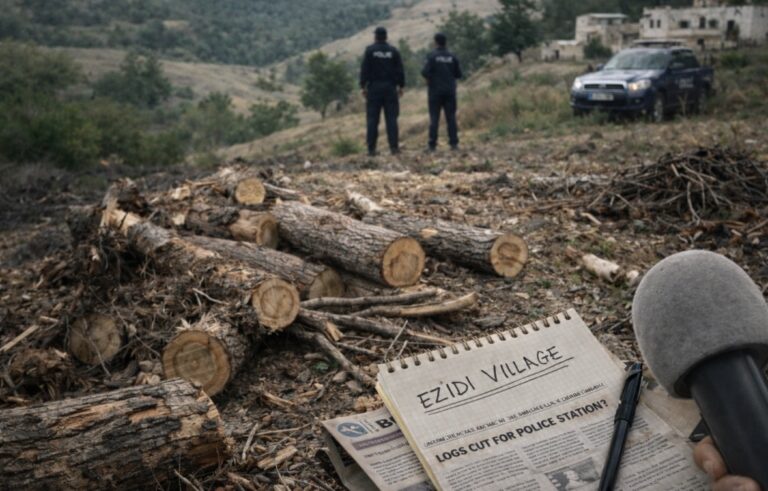
Ezidi activists in Syria have warned that recent developments resemble conditions that preceded earlier atrocities. They report that Ezidis are increasingly forced to conceal their identity, avoid public expressions of their faith, and refrain from discussing Sharfadin even within their own homes. Longstanding patterns of harassment, forced displacement, and intimidation have intensified, particularly in areas that have seen changes in military or administrative control.
Displacement has further compounded Ezidi vulnerability. Ezidis fleeing violence in urban areas have sought refuge in locations that are themselves unsafe, where reports persist of religious discrimination, threats, and fabricated accusations leading to arbitrary punishment. Community leaders warn that the continued erosion of security guarantees could result in the near-total disappearance of Ezidis from parts of Syria where they have lived for generations.
Concerns are not limited to Syria. In Iraq, Ezidi families in Shingal are closely monitoring developments across the border, fearing a spillover similar to that which preceded the 2014 genocide. Tensions remain high, and memories of ISIS’s rapid advance and the collapse of protective structures continue to shape collective fear.
Amid these developments, efforts to locate and rescue Ezidis abducted by ISIS have intensified. The Ezidi Abductees Rescue Office announced a renewed push to identify and free remaining captives, following changes in control over camps that previously held ISIS families. According to available figures, more than 2,500 Ezidis remain missing, with their fate still unknown. Ezidi religious and institutional authorities have reaffirmed their cooperation with rescue efforts, emphasizing that the search for the missing remains an urgent moral and humanitarian obligation.
International advocacy has also continued. Ezidi survivor and Nobel Peace Prize laureate Nadia Murad has recently engaged with international officials to reaffirm the importance of protecting religious minorities and ensuring accountability for ISIS crimes. Ezidi activists stress that symbolic recognition must be accompanied by concrete protection mechanisms, accountability processes, and sustained international engagement.
Ezidi representatives continue to call on the international community to act decisively to prevent renewed atrocities, ensure the prosecution of ISIS perpetrators, protect Ezidi civilians, and guarantee that the genocide committed against Ezidis is never repeated, neither through violence nor through gradual erasure.