
Dringend: Eziden in Aleppo unter Belagerung

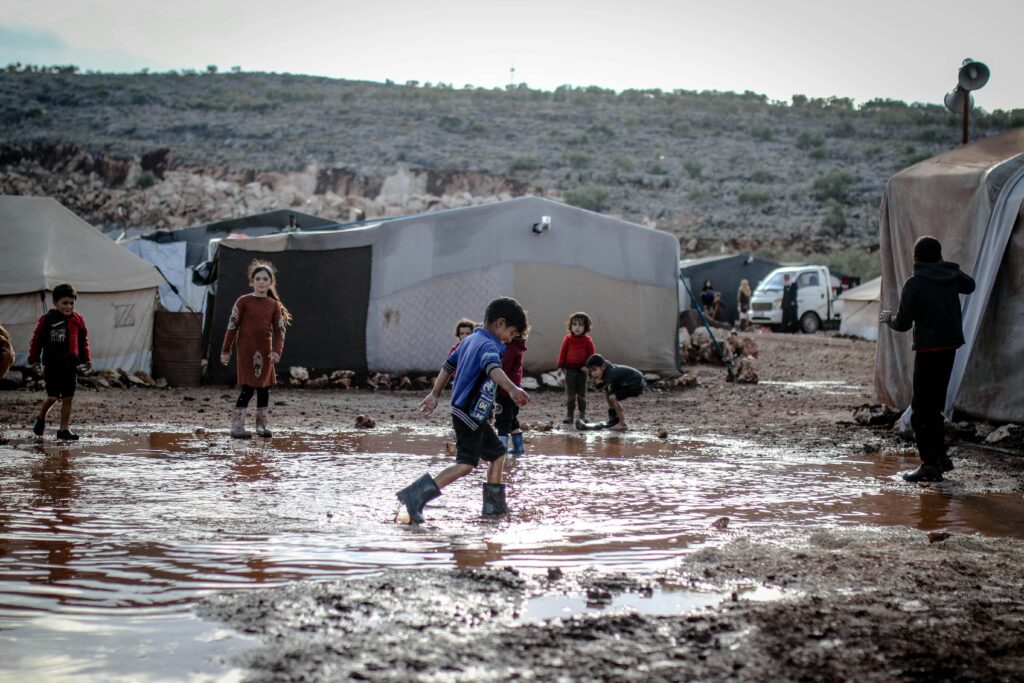
Alepos 5.000 Eziden sind in den Stadtteilen Sheikh Maqsoud, Ashrafieh und al-Suryan unter Belagerung gefangen, mit Stromausfällen, Medikamentenknappheit und Zwangsvertreibung. Ezidi Times fordert Deutschland und die internationale Gemeinschaft auf, sofort zu handeln und die neu de facto syrische Regierung zum Schutz der Eziden zu verpflichten.
Urgent: Ezidis in Aleppo Trapped Under Siege

Aleppo’s 5,000 Ezidis are trapped under siege in Sheikh Maqsoud, Ashrafieh, and al-Suryan, facing electricity outages, medicine shortages, and forced displacement. Nearly 1,200 families have already fled, while thousands remain at risk. Ezidi Times calls on Germany and the international community to act immediately and ensure the newly de facto Syrian government protects Ezidis.

هاجي باكويان: تعزيز حقوق المرأة والتغيير الاجتماعي بين الإيزيديين في أرمينيا

هاجي باكويان ناشطة إيزيدية بارزة في أرمينيا تعمل على تعزيز حقوق النساء والفتيات الإيزيديات من خلال التعليم والتمكين الاجتماعي. بصفتها مديرة منظمة شمس الإنسانية، تركز على مواجهة الزواج المبكر والتهميش الاقتصادي وضعف الثقة بالنفس، مع التأكيد على أن التغيير ممكن دون التخلي عن التقاليد الإيزيدية أو ديانة شرفدين.

Адже Бакоян: продвижение прав женщин и социальных изменений среди езидов в Армении

Хадже Бакоян — одна из ведущих езидских активисток в Армении, работающая над расширением прав и возможностей езидских женщин и девушек через образование, социальную поддержку и общественный диалог. Как директор гуманитарной НПО Shams, она продвигает постепенные социальные изменения, стремясь укрепить положение езидских женщин в обществе без отказа от традиций и религии Шарфадин.

Haje Bakoyan: Advancing Women’s Rights and Social Change Among Ezidis in Armenia

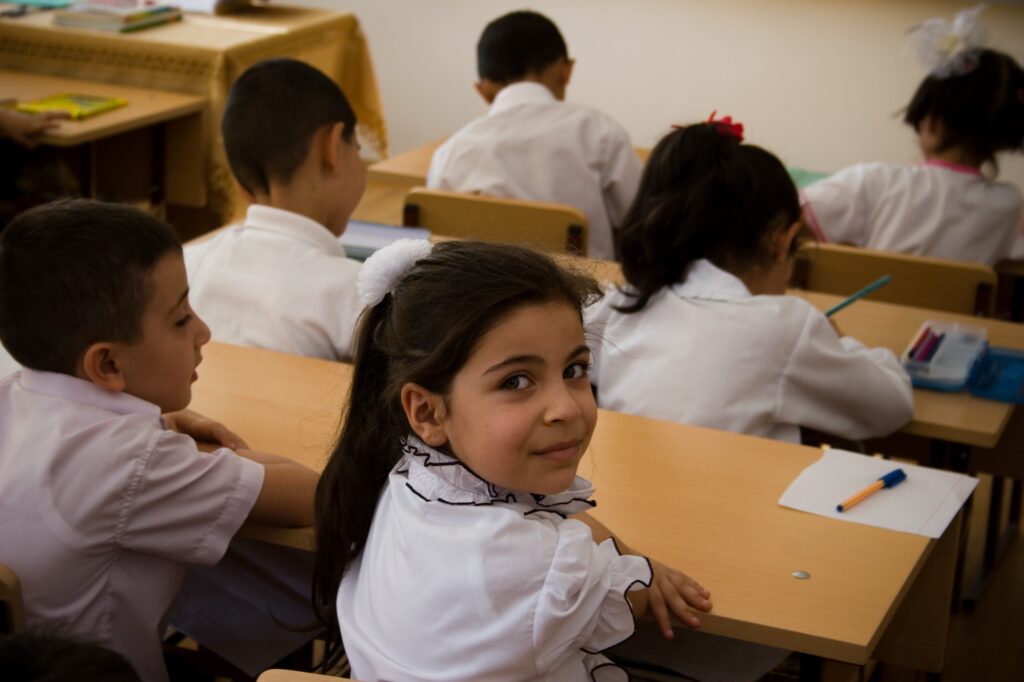
Haje Bakoyan is a leading Ezidi activist in Armenia working to expand educational and social opportunities for Ezidi women and girls. As the director of Shams Humanitarian NGO, she addresses challenges such as early marriage, limited access to education, economic exclusion, and lack of self-confidence among Ezidi girls. Her work is grounded in the belief that lasting change can occur without abandoning Ezidi traditions or the faith of Sharfadin, by strengthening families, promoting education, and creating space for women to participate fully in social and economic life.

Fire Destroys Dozens of Shops and Tents in Ezidi Displacement Camps Near Zakho

Fires tore through two Ezidi displacement camps near Zakho, destroying dozens of shops and several tents and leaving hundreds of families without their only source of income. More than eleven years after the Ezidi genocide, repeated camp fires once again expose unsafe living conditions, lack of protection, and the continued failure to ensure dignified, voluntary return for displaced Ezidis.

Cultural and Identity Theft Happening Right in Front of Our Noses

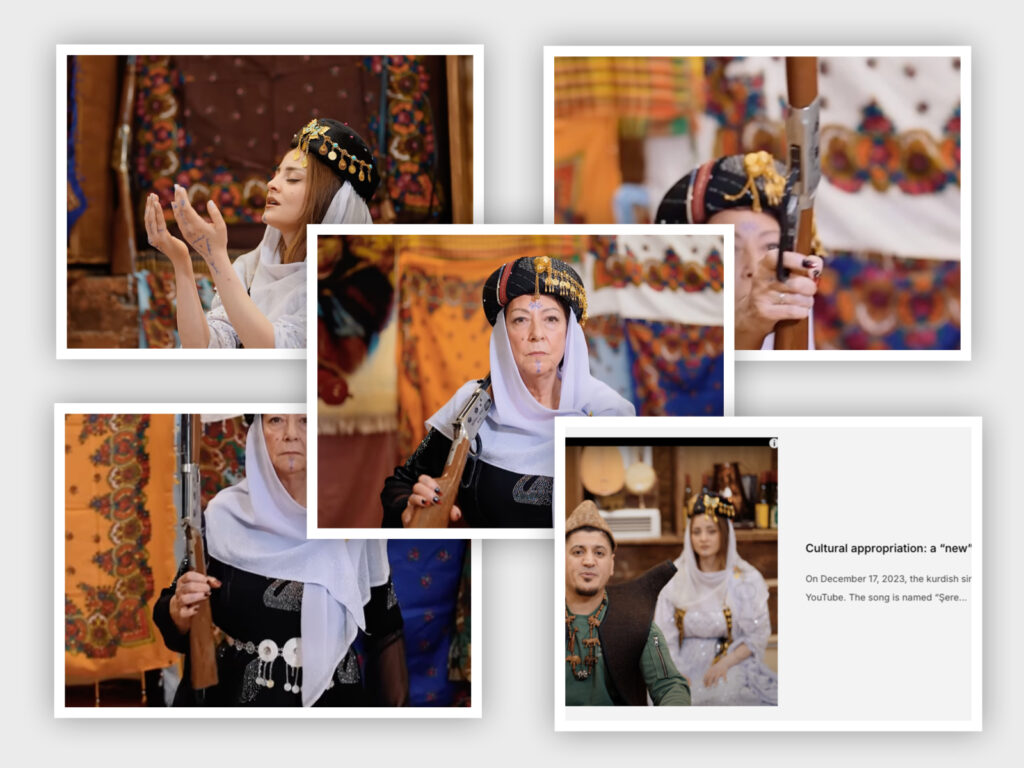
In 2023, Ezidi Times published an article raising concerns about a Kurdish singer using Ezidi traditional clothing in a music video and presenting it as “Kurdish.”
The video shows women in Ezidi attire dancing with weapons, portraying a peaceful and sacred culture in a violent, distorted way — and even attempts to include Ezidis under an artificially constructed “Kurdish” identity.
This is more than cultural appropriation — it is cultural and identity theft happening right before our eyes. The problem still remains and deserves far more attention. The article explores why this matters and is a big issue.

From Trauma to Strength: Ezidi Women Through the Eyes of Art

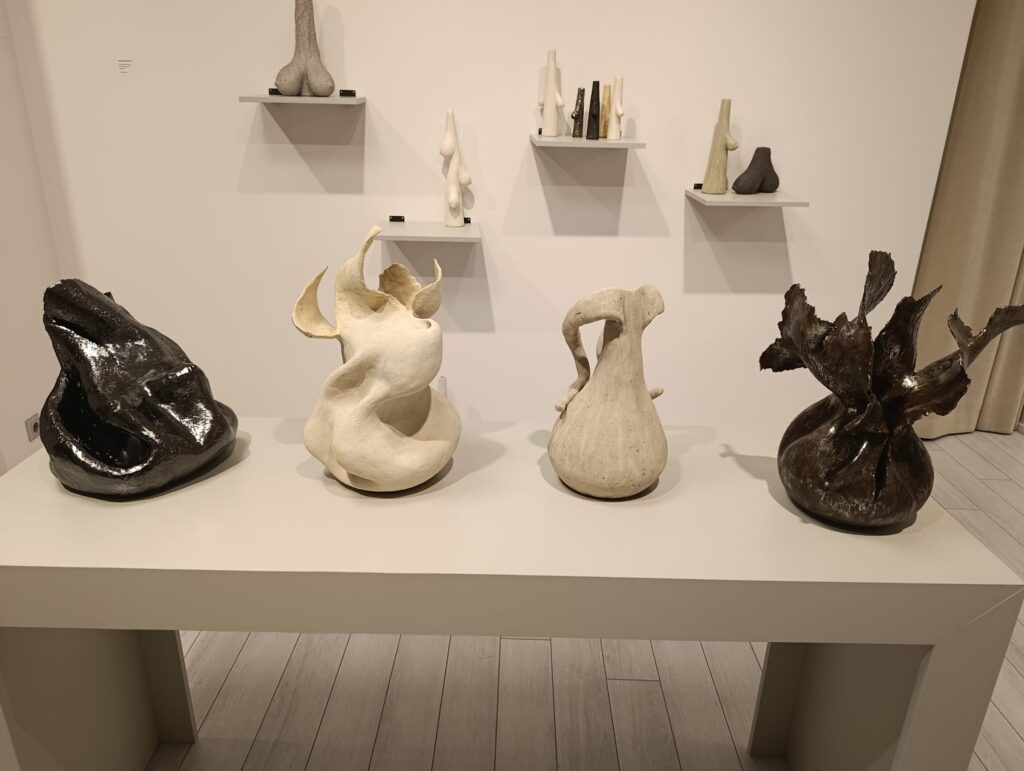
Gülsüme Oğuz’s exhibition brings the experiences of Ezidi women into focus, portraying their journeys of survival, displacement, and resilience through powerful visual storytelling. The works reflect both the immense hardships these women have endured and their courage, strength, and determination, transforming personal and collective trauma into a testament to the enduring power of womanhood.

Ավելի լավ է երեխաներին քաղցած թողնել, քան եզդիներից օգնություն ընդունել

Վիրուսային տեսանյութում երևում է, թե ինչպես է մուսուլման կինը հրաժարվում եզդի կանանց սննդից, խաղալիքներից և քաղցրավենիքից, ինչը բացահայտում է եզդիների նկատմամբ խտրականության շարունակականությունը: Նույնիսկ տարրական բարության դրսևորումները մերժվում են եզդիների՝ Շարֆադինի հետևորդների նկատմամբ դարավոր նախապաշարմունքների պատճառով: Կադրը ցույց է տալիս, թե ինչպես է պատմական մարգինալացումը՝ 1915 թվականի կոտորածներից մինչև 2014 թվականի ցեղասպանությունը, շարունակում ձևավորել սոցիալական փոխազդեցությունները՝ ցույց տալով, որ եզդիների նկատմամբ տրամադրությունները մնում են նորմալ առօրյա կյանքում:

من الأفضل أن يُعاني الأطفال من الجوع على قبول المساعدة من الإزيديين

أظهر مقطع فيديو متداول امرأة مسلمة ترفض الطعام والألعاب والحلويات من نساء إزيديات، كاشفًا استمرار التمييز ضد الإزيديين. حتى أفعال اللطف الأساسية تُرفض بسبب تحامل تاريخي استمر قرونًا ضد أتباع شرف الدين. تبرز اللقطات كيف أن التهميش التاريخي — من مجازر 1915 إلى إبادة 2014 — لا يزال يشكل التفاعلات الاجتماعية، موضحًا أن العداء ضد الإزيديين ما زال متأصلًا في الحياة اليومية.

Mieux vaut laisser les enfants avoir faim que d’accepter l’aide des Ezidis

Une vidéo virale montre une femme musulmane refusant nourriture, jouets et bonbons offerts par des femmes Ezidis, révélant la persistance de la discrimination anti-Ezidi. Même des actes de bonté élémentaire sont rejetés en raison de préjugés séculaires à l’encontre des Ezidis, adeptes de Sharfadin. Les images illustrent comment la marginalisation historique — des massacres de 1915 au génocide de 2014 — continue de structurer les interactions sociales, montrant que le sentiment anti-Ezidi reste normalisé dans la vie quotidienne.

Çocukları Aç Bırakmak, Ezidilerden Yardım Almamaktan Daha İyidir

Viral bir video, Müslüman bir kadının Ezidi kadınlardan yiyecek, oyuncak ve şeker almayı reddettiğini göstererek anti-Ezidi ayrımcılığın devam ettiğini ortaya koyuyor. Temel nezaket eylemleri bile, Şerfadin’in takipçileri olan Ezidilere karşı yüzyıllık önyargılar nedeniyle reddediliyor. Görüntüler, 1915 katliamlarından 2014 soykırımına kadar uzanan tarihsel dışlanmanın sosyal etkileşimleri nasıl şekillendirmeye devam ettiğini gözler önüne seriyor ve anti-Ezidi duyguların günlük yaşamda normalleştiğini gösteriyor.

Лучше оставить детей голодными, чем принимать помощь от езидов

Вирусное видео показывает, как мусульманка отказывает в еде, игрушках и сладостях езидским женщинам, демонстрируя сохранение дискриминации против езидов. Даже базовые акты доброты отвергаются из-за многовековой предвзятости к езидскому народу, последователям Шарфадина. Видео подчёркивает, что историческая маргинализация — от массовых убийств 1915 года до геноцида 2014 года — продолжает формировать социальные взаимодействия, показывая, что анти-езидские настроения остаются нормой в повседневной жизни.

Bedre at lade børnene gå sultne end at modtage hjælp fra Ezidi

En viral video viser en muslimsk kvinde, der afviser mad, legetøj og slik fra ezidiske kvinder og afslører vedvarende anti-ezidisk diskrimination. Selv basale handlinger af venlighed afvises på grund af århundredgamle fordomme mod Ezidi, tilhængere af Sharfadin. Optagelsen fremhæver, hvordan historisk marginalisering — fra massakrerne i 1915 til folkemordet i 2014 — stadig præger sociale interaktioner, og viser, at anti-ezidiske holdninger er normaliserede i hverdagen.

Bättre att låta barnen gå hungriga än ta emot hjälp från Ezider

En viral video visar en muslimsk kvinna som vägrar ta emot mat, leksaker och godis från ezidiska kvinnor, vilket exponerar den fortsatta anti-ezidiska diskrimineringen. Även handlingar av grundläggande vänlighet avvisas på grund av århundraden gammal fördom mot ezider, anhängare av Sharfadin. Videon belyser hur historisk marginalisering — från massakrerna 1915 till folkmordet 2014 — fortsätter att forma sociala interaktioner, och visar att anti-ezidisk inställning förblir normaliserad i vardagen.