
TAJÊ dringt aan op erkenning en gerechtigheid voor 19 verbrande Ezidische vrouwen

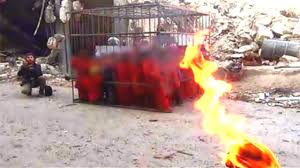
Het Diplomatieke Comité van de Beweging van Vrije Ezidische Vrouwen (TAJÊ) heeft een dringende oproep gedaan aan de Iraakse president en belangrijke internationale instanties om de identiteit vast te stellen van 19 Ezidische vrouwen die in 2016 in Mosul levend werden verbrand door ISIS. De beweging eist tevens dat deze gruweldaad officieel wordt erkend als een daad van feminicide.

TAJÊ demande reconnaissance et justice pour 19 femmes ézidies brûlées vives

Le Comité diplomatique du Mouvement des Femmes Ézidies Libres (TAJÊ) a lancé un appel urgent au président irakien et à plusieurs instances internationales, réclamant l’identification de 19 femmes ézidies brûlées vives par l’État islamique (EI) à Mossoul en 2016. Le mouvement exige également que cette atrocité soit officiellement reconnue comme un acte de féminicide.

TAJÊ fordert Anerkennung und Gerechtigkeit für 19 verbrannte ezidische Frauen

Das diplomatische Komitee der Ezidischen Bewegung Freier Frauen (TAJÊ) hat einen dringenden Appell an den irakischen Präsidenten und zentrale internationale Organisationen gerichtet. Es fordert die Identifizierung von 19 ezidischen Frauen, die 2016 in Mossul von ISIS bei lebendigem Leib verbrannt wurden. Zudem verlangt die Bewegung, dass dieses Verbrechen offiziell als Femizid anerkannt wird.

TAJÊ призывает к признанию и справедливости для 19 сожжённых заживо езидских женщин

Дипломатический комитет Движения свободных езидских женщин (TAJÊ) направил срочное обращение к президенту Ирака и ключевым международным организациям с требованием установить личности 19 женщин-езидок, сожжённых заживо боевиками ИГИЛ в Мосуле в 2016 году. Движение также настаивает на официальном признании этого преступления как акта феминицида.

The Shared Struggles of Ancient Peoples

Ezidis can learn the vital importance of preserving their sacred faith of Sharfadin. Justice and recognition require courage and unity—not just from within the Ezidi people but also through building solidarity with other ancient peoples facing similar struggles. Though the wounds run deep, hope remains in the power of cultural survival and the determination to secure a future where the Ezidis’ dignity, heritage, and rights are fully respected and protected.

Зара: неблагодарное дитя Eздихана

Вместо того чтобы быть сильным голосом езидов, Зара стала ещё одним ударом в лицо езидскому народу и всем жертвам, погибшим в защите своей этнической принадлежности и веры. Вместо того чтобы использовать свою платформу для поддержки своего народа, она политически подорвала и без того хрупкий статус езидов.

Zara: The Ungrateful Child of Ezdixan

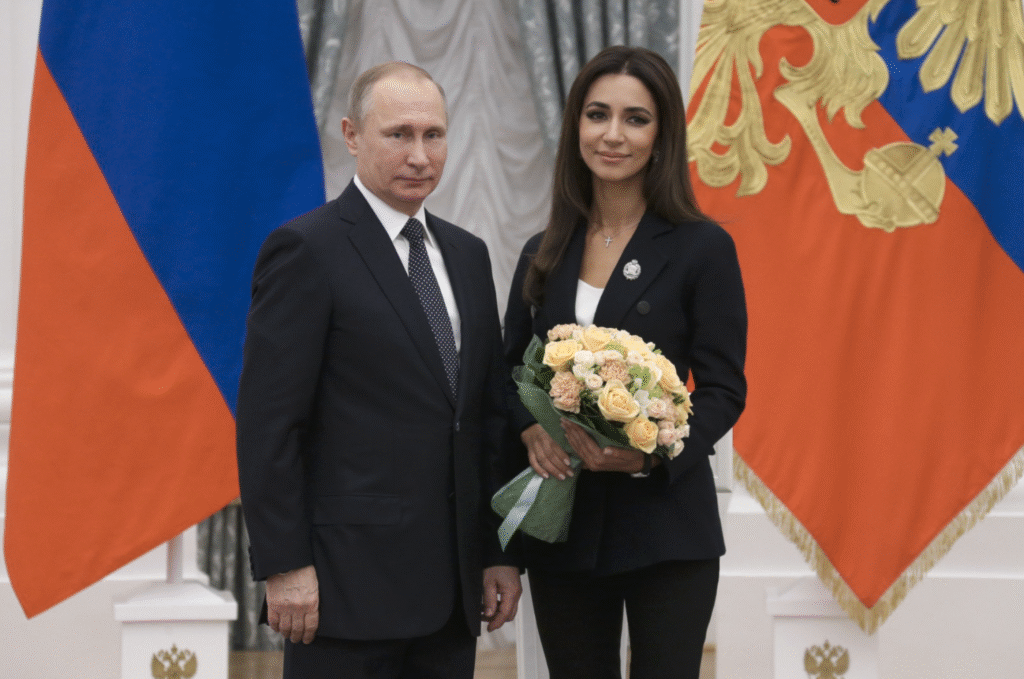
Zara’s recent actions expose not just a troubling detachment from her Ezidi heritage, but a blatant disregard for the dignity and struggle of the people to whom she owes her very identity. In an era where the Ezidi people are still recovering from genocide and fighting for recognition, Zara has chosen not to stand with them, but to turn her back entirely—trading ancestral truth for political relevance and shallow applause. Her repeated shifts in self-identification—from Armenian to Russian, and now opportunistically Kurdish—suggest not evolution, but erasure. Even worse, her public alliance with individuals who have openly blasphemed the sacred tenets of the Sharfadin faith crosses a moral line. This is not neutrality—it is betrayal.