3rd – 4th February 2026: Ezidis Observe Şevberat
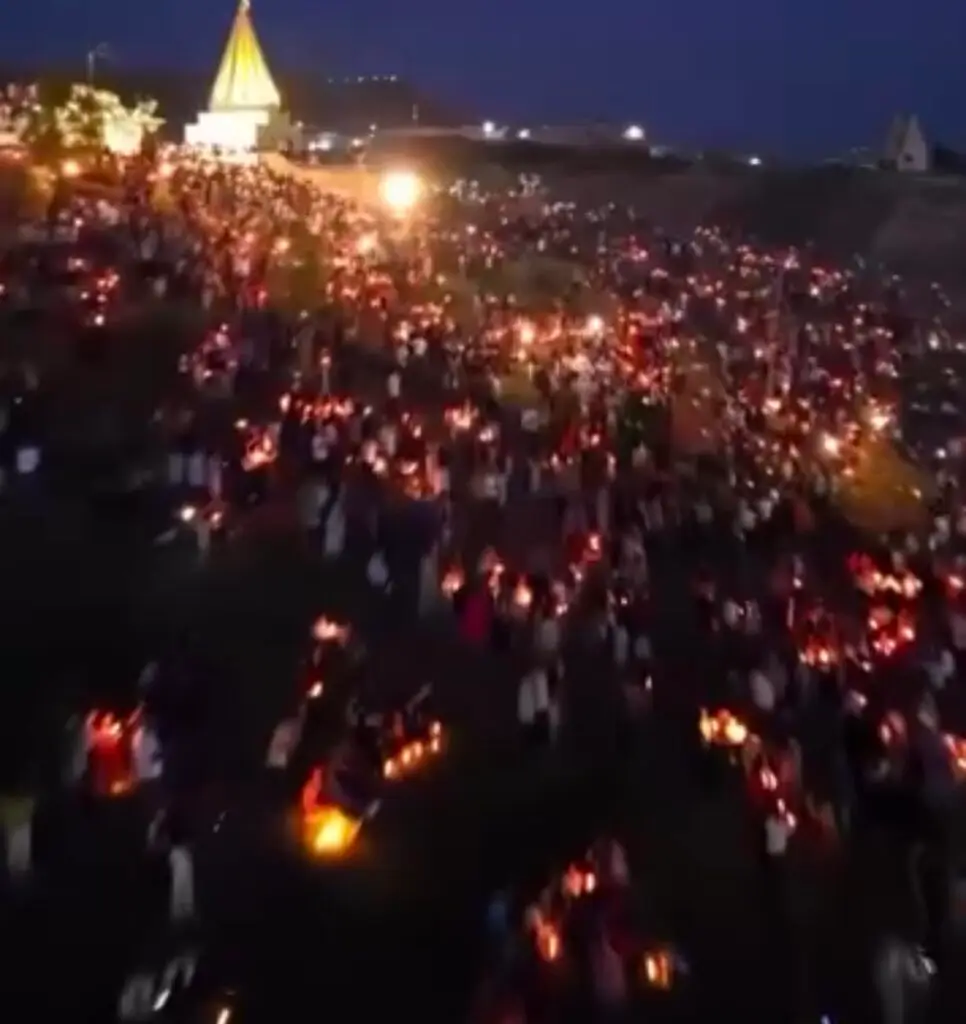
On the night between 3rd and 4th February, 2026 marks Şevberat, the sacred night of forgiveness and purification for Ezidis....
E'yda Çilê Zivistanê bimbarek-pîrozbe! Twice a year, Ezidis celebrate the sacred feast of çla—the Forty Days—marking both the summer and winter...
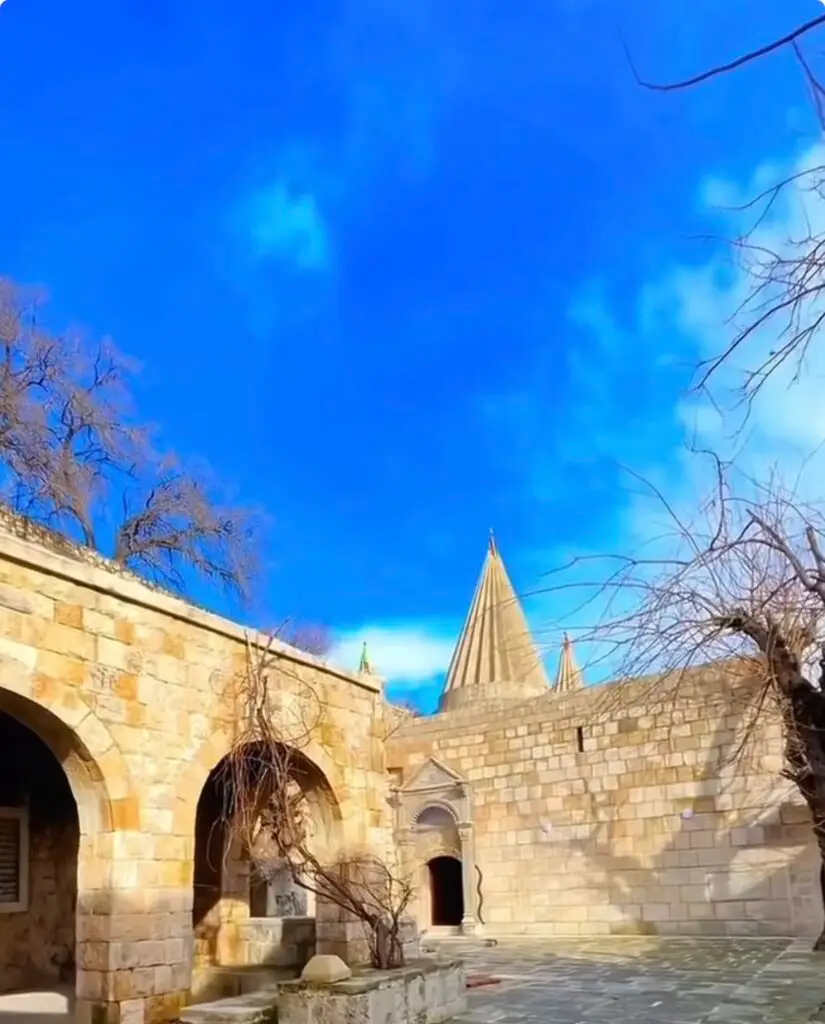
Mağara (Ezidi) Village, once abandoned during decades of violence, is reopening to tourists. The village offers a rare insight into the Ezidis, followers of Sharfadin, and their centuries-old traditions—finally shedding light on a history often misunderstood.
Ezidi Times warmly congratulates all Ezidis around the world on the sacred holiday of Aida Ezdit.
On the 16th of December, the three-day fast of Rojîyê Êzid began, honoring Sultan Ezid (Ezdit), a manifestation of the Creator in the Sharfadin faith. This sacred period of fasting, prayer, and reflection celebrates the birth of light, spiritual purification, and the divine presence in the world. Rojiyên we bi xêr û xoşî bin!
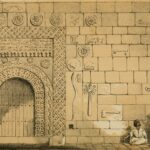
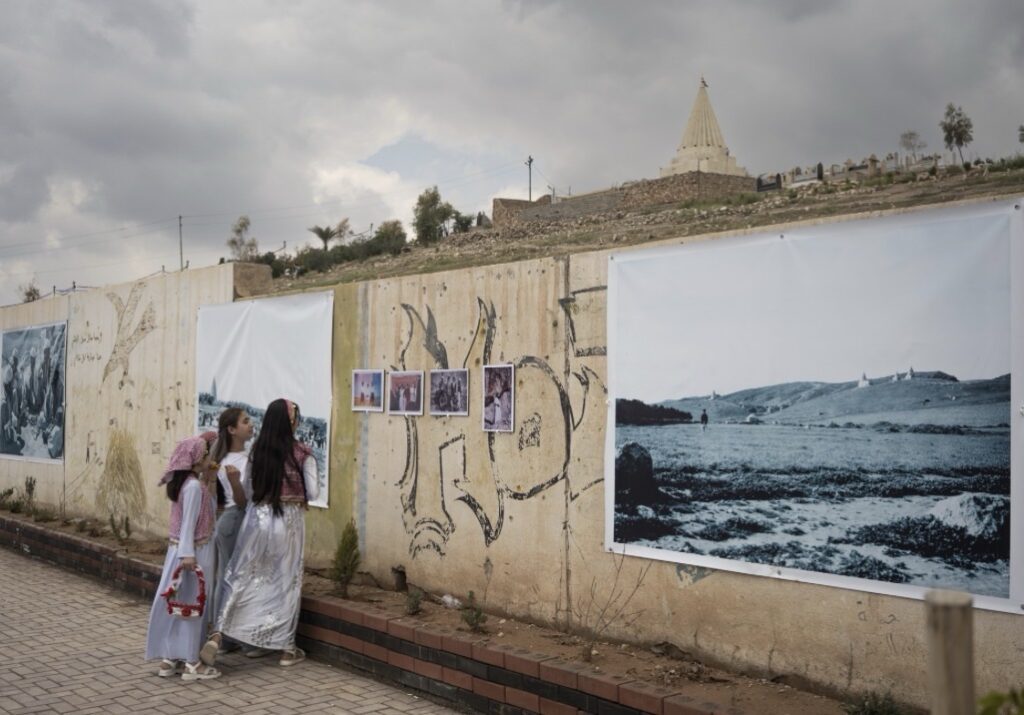
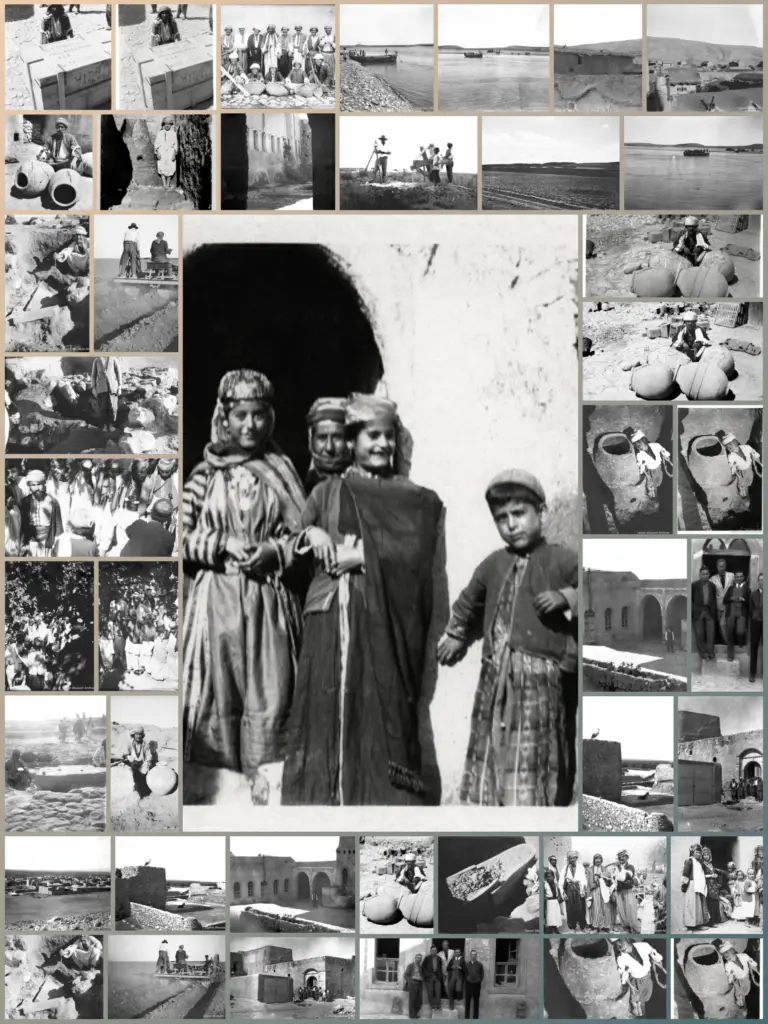
A rare set of 1930s photographs has been uncovered, capturing the daily life, traditions, and sacred sites of the Ezidi people in northern Iraq—preserving moments of a culture nearly erased by history.
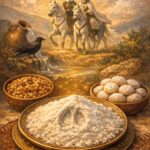
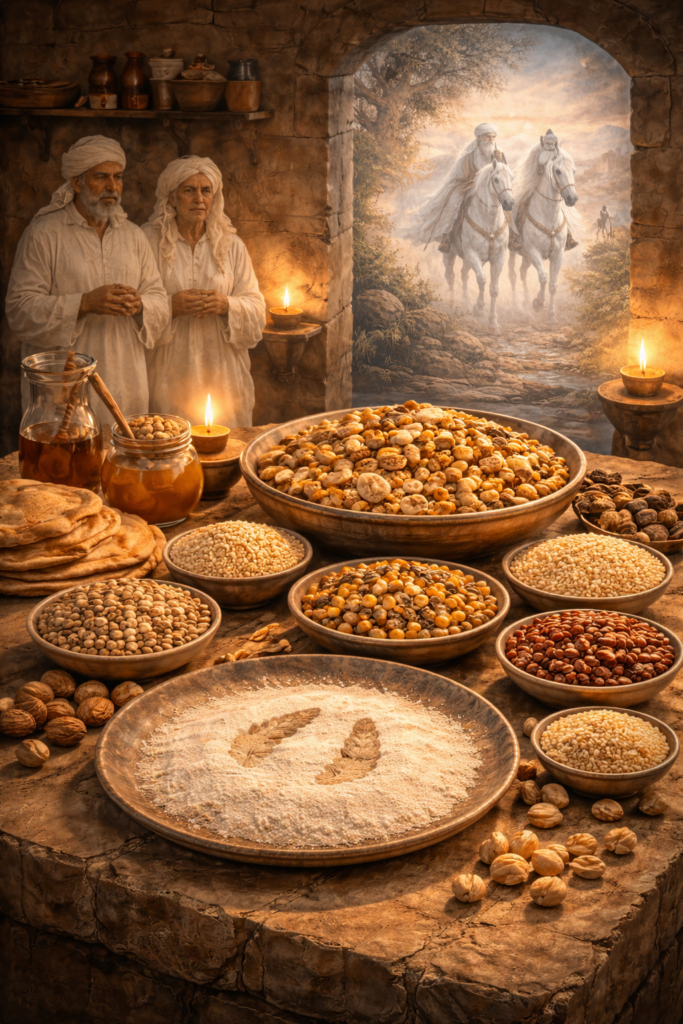
This week, from 9 to 12 December 2025, Ezidis observe Aida Xwudane Male, honoring the family patron saints with fasting, reflection, and the sacred Dua Sifrê prayer—a ritual that reconnects families with their spiritual heritage and the blessings of Sharfadin.
The annual olive harvest in the sacred valley of Laleş begins on 27 November, as Ezidis gather olives that will become the oil to light every lamp of the temple. This centuries-old ritual brings the community together — men shaking the branches, women collecting the fruit, and temple workers preparing the oil that fuels the 365 lamps, a symbol of Sharfadin’s enduring light. Amid a year of drought, the harvest continues, linking the valley, its people, and the rhythms of the sacred season. In December, the lamps burn as the community looks toward winter celebrations: Aida Êzîd, Aida Xwudane (male), and Aida Sêsims.
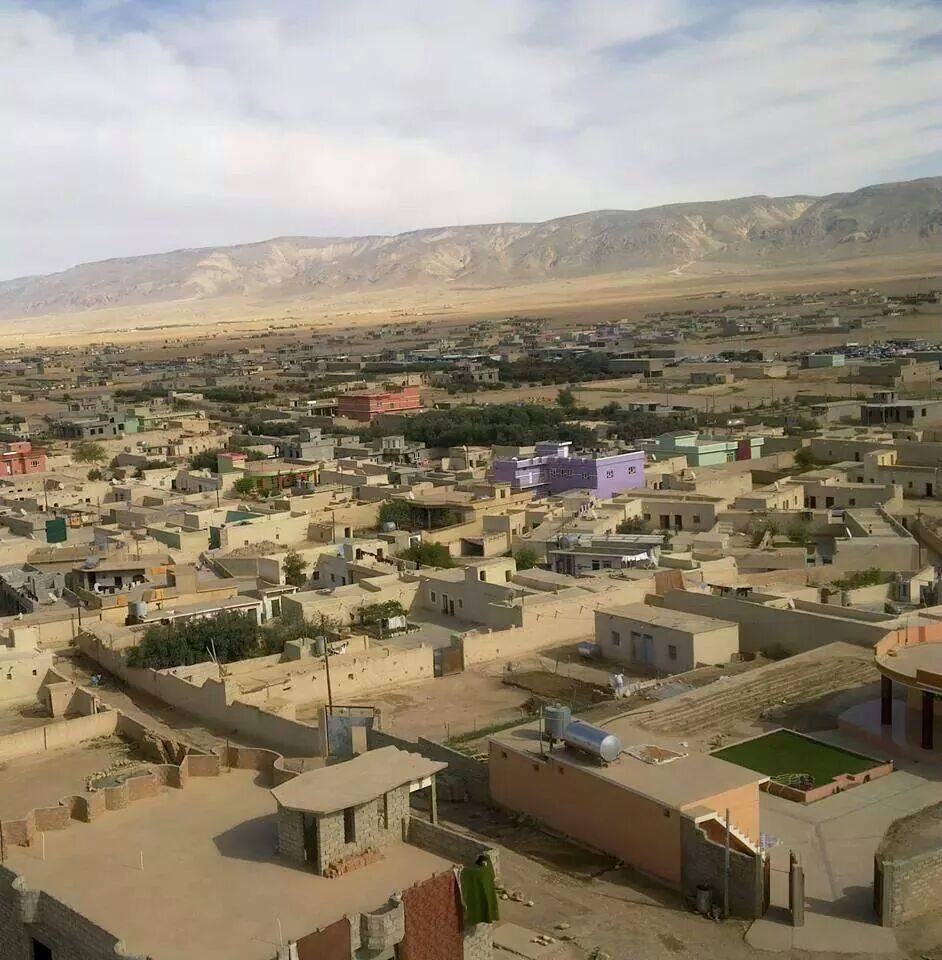
Sinuni, whose name means “our spring” in the Ezidi language, is one of the central towns of the Sinjar region. Once known for its quiet rural life, it was devastated during the 2014 ISIS genocide. Today, Ezidis continue to rebuild it house by house, field by field. Sinuni stands as a place where loss, memory, and resilience meet — a reminder that even after destruction, renewal is possible.
While many peoples throughout history have formed, merged, created languages and religions, and then gradually dissolved into larger populations and states, the Ezidis remained loyal to their traditions and faith, preserving their identity.
Explore the ancient monotheistic religion of Sharfadin, its belief in a single God and seven Archangels, the Ezidi caste system, and the myths surrounding Tausi Malak. Learn about the core principles of Sharfadin and the truth behind common misconceptions.
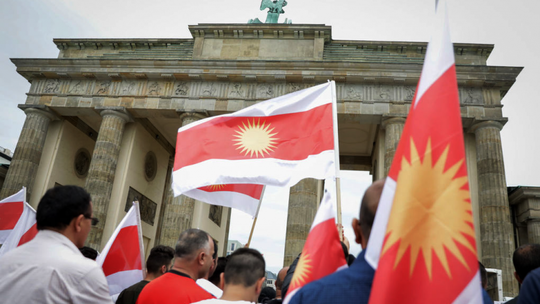
The Yezidis, also known as Ezidis, are an ethnoreligious people predominantly residing in the Middle East, including Iraq, Syria, Turkey, and Armenia. The Yezidis are a distinct and separate group with their own unique identity. In this article we explain the multifaceted reasons why the Yezidis should not be mixed with the different people who see themselves as “Kurdish”.
Photo: CC Wikimedia Commons Newroz, a time-honored tradition signifying "New Day," holds profound cultural and historical significance for millions of...
Yezidis, who lived in proximity to Armenians, Assyrians, Kurds, and Turks, were also caught in the crossfire. Kurdish tribes actively participated in the persecution of the Yezidis