

Ezidi refugees in Australia have raised concerns over the government’s repatriation of widows and children of IS fighters from Syria. They argue that resettlement efforts should instead prioritise Ezidi refugees who remain displaced in camps and have endured years of trauma under IS captivity.
The first group of repatriated individuals arrived in Australia in late October from the Al-Roj refugee camp in northeast Syria. This group included four widows and 13 children, marking the beginning of a federal plan to return 16 women and 42 children in the coming months. Most are expected to settle in Sydney.
Several Ezidi refugees in Australia report severe psychological impacts from the return of the IS-affiliated widows. Many were held captive for extended periods, during which they experienced deprivation, abuse, and forced conversion attempts. The presence of individuals associated with IS has caused distress and fear of retraumatization among Ezidis who survived the occupation.
During the IS offensive in 2014, entire male populations of Ezidi villages were executed, and women and children were abducted. Many Ezidis remain missing or displaced. Some of those now seeking resettlement in Australia have already been granted visas, but delays have prevented their relocation.
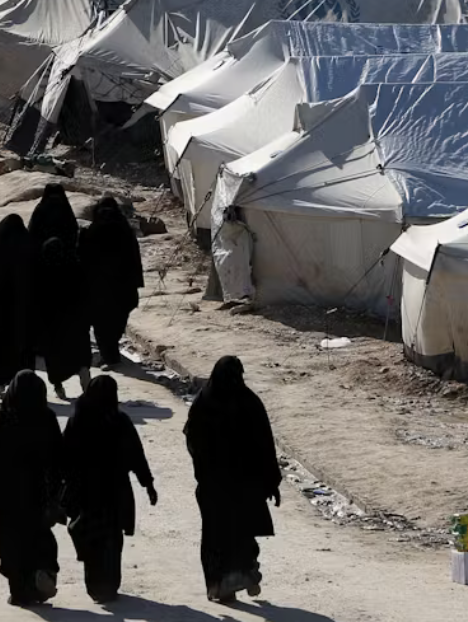
These women chose to become part of ISIS; travelled to the Middle East and played a key role on enslaving and torturing women and children. Do they deserve to be repatriated and why should resources be spent on them when it can be used to support the Ezidi survivors to rebuild a new life?
Some Australian authorities and family members of the repatriated widows assert that security measures, including vetting and monitoring programs, are in place and that the returnees do not pose a threat. However, Ezidi voices emphasise the ongoing trauma and the need to prioritise the resettlement of those who suffered directly under IS control.
The resettlement policies should focus on supporting survivors of IS atrocities and addressing the urgent needs of Ezidi refugees, rather than prioritising individuals linked to the perpetrators of these crimes.