
Mam Rashan Shrine: Reconstruction, Memory, and the Survival of Ezidis in Iraq
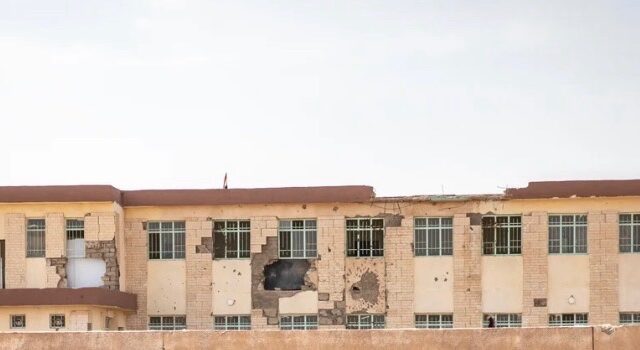
In August 2014, the terrorist organization Daesh launched a genocidal campaign against Ezidis in northern Iraq. Entire villages around Mount Sinjar were attacked. Thousands were killed, abducted, enslaved, or forced to flee. Alongside human destruction, religious and cultural heritage was deliberately targeted. Shrines central to Sharfadin, the religion of Ezidis, were systematically demolished.
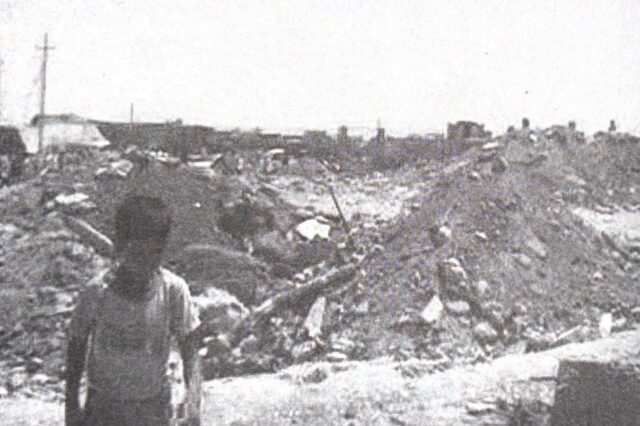
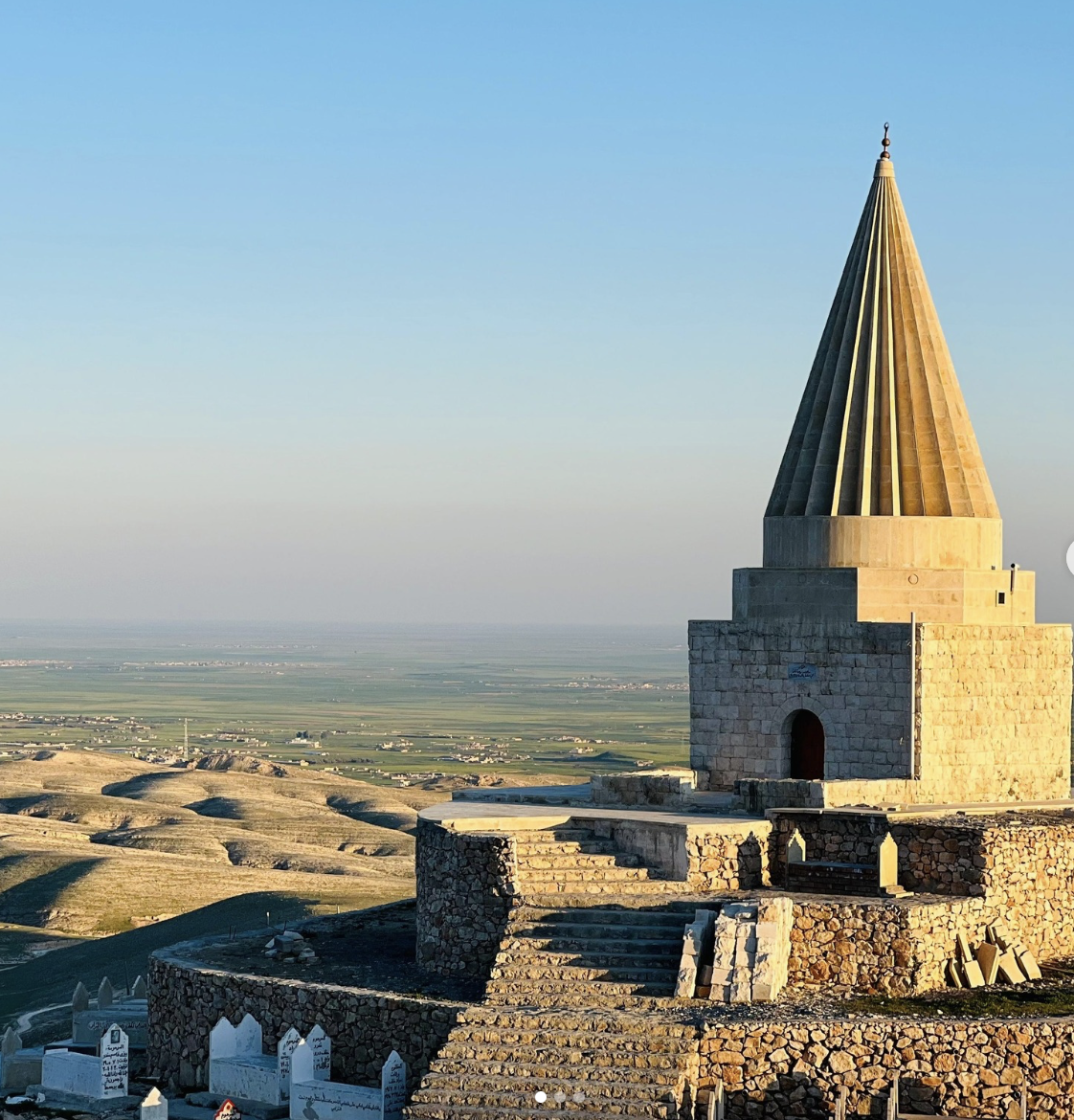
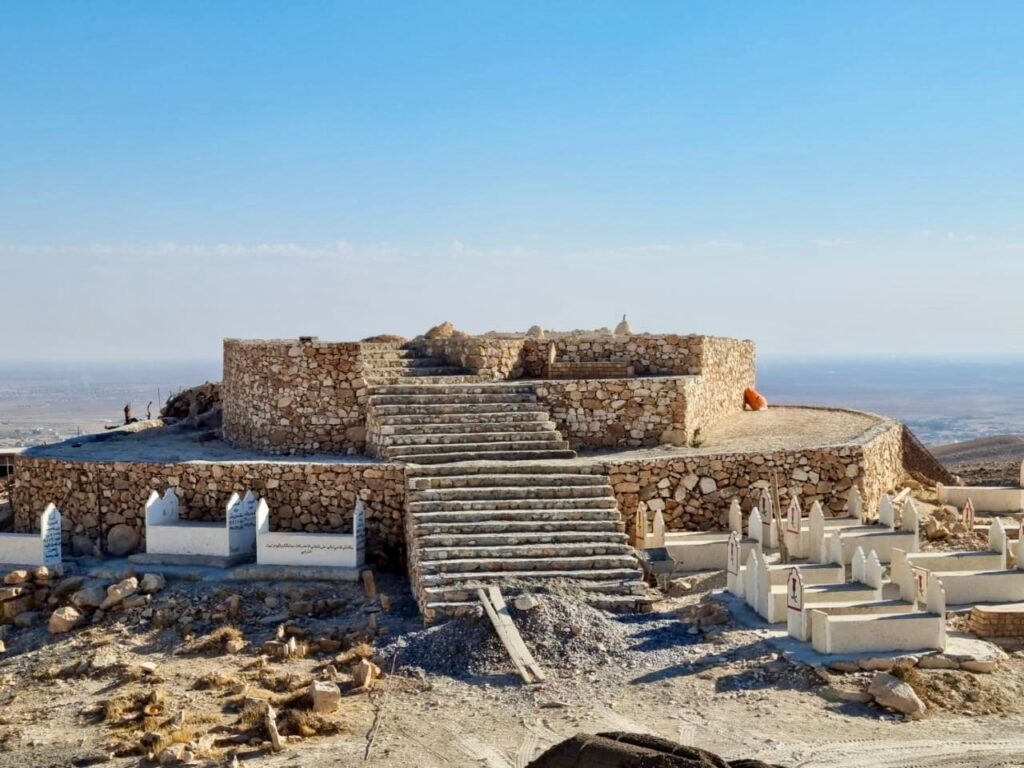
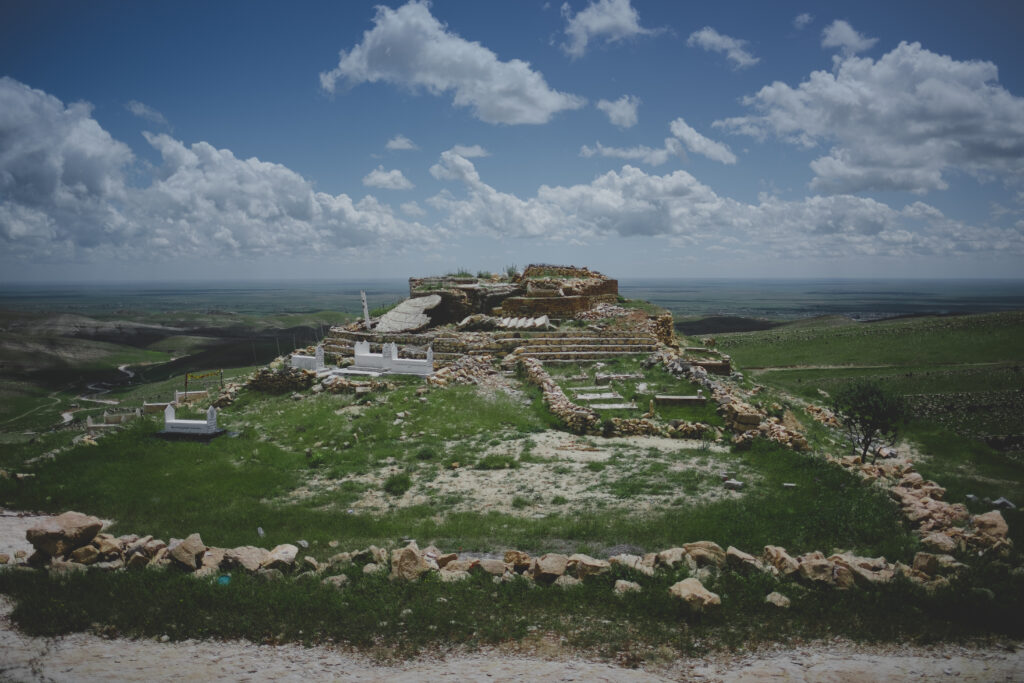
Among the destroyed sites was Mam Rashan Shrine, located on Mount Sinjar. Mam Rashan is a revered sacred figure in Sharfadin, associated with agriculture, rain, and the annual harvest. For generations, Ezidis visited the shrine to pray, celebrate religious occasions, and maintain continuity with their spiritual traditions. In 2014, the structure was reduced to rubble.
A Pattern of Erasure
The destruction of Mam Rashan was not incidental. Daesh openly documented and publicized the demolition of Ezidi religious sites. In Sinjar and in the twin towns of Bahzani and Bashiqa near Mosul, dozens of Ezidi sacred sites were destroyed. The goal was clear: to erase Sharfadin from the land and sever Ezidis from their historical roots.
Ezidis have lived around Mount Sinjar since at least the twelfth century. For centuries, they inhabited small mountain villages, maintaining a distinct religious and cultural identity. In the 1970s, the Ba’ath regime forcibly relocated many Ezidis into collective towns as part of state centralization policies. Despite limited infrastructure and economic marginalization, Ezidis remained connected to their ancestral mountains and shrines.
Until 2014, Mam Rashan was a living site of worship. Its destruction represented not only physical damage but an assault on identity, memory, and continuity.
Reconstruction as Recognition
Although Daesh lost territorial control, displacement continues. Around 180,000 Ezidis remain internally displaced in Iraq, while many others live in exile. Return to Sinjar has been slow, hindered by insecurity, political fragmentation, and the absence of services.
For those who have returned, and for those who hope to, rebuilding shrines is not symbolic alone. It is a prerequisite for restoring spiritual life. In Sharfadin, sacred sites are not monuments in the abstract; they are active spaces of prayer, seasonal ritual, and communal gathering.
In 2020, the Mam Rashan Shrine was included on the World Monuments Watch by the World Monuments Fund. The listing emphasized that reconstruction of heritage destroyed in genocide can foster recognition and respect for minorities denied equality. Following this designation, funding was secured from ALIPH (International Alliance for the Protection of Heritage in Conflict Areas) to reconstruct the shrine according to its original design.
The Revival of Mam Rashan
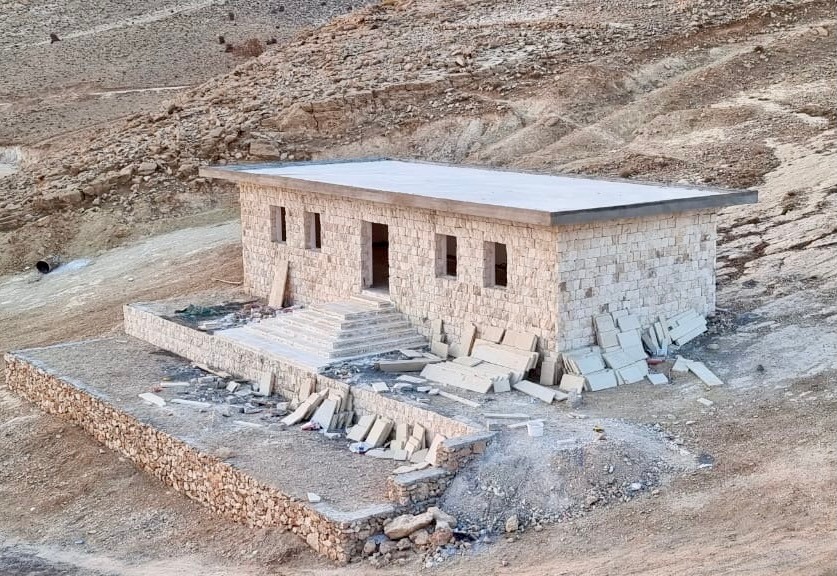
Reconstruction began in 2020 through the World Monuments Fund, in collaboration with the Eyzidi Organization for Documentation (EOD). A blessing ceremony marked the start of the project, attended by senior religious authorities from Sinjar and Lalesh, the spiritual center of Sharfadin.
The project followed professional conservation standards. It began with documentation of the remaining structure, damage assessment, material studies, and mapping. Workshops were held on traditional lime mortars and historical construction techniques, ensuring that knowledge transfer occurred within the Ezidi population itself. Reconstruction was carried out on the original footprint of the shrine.
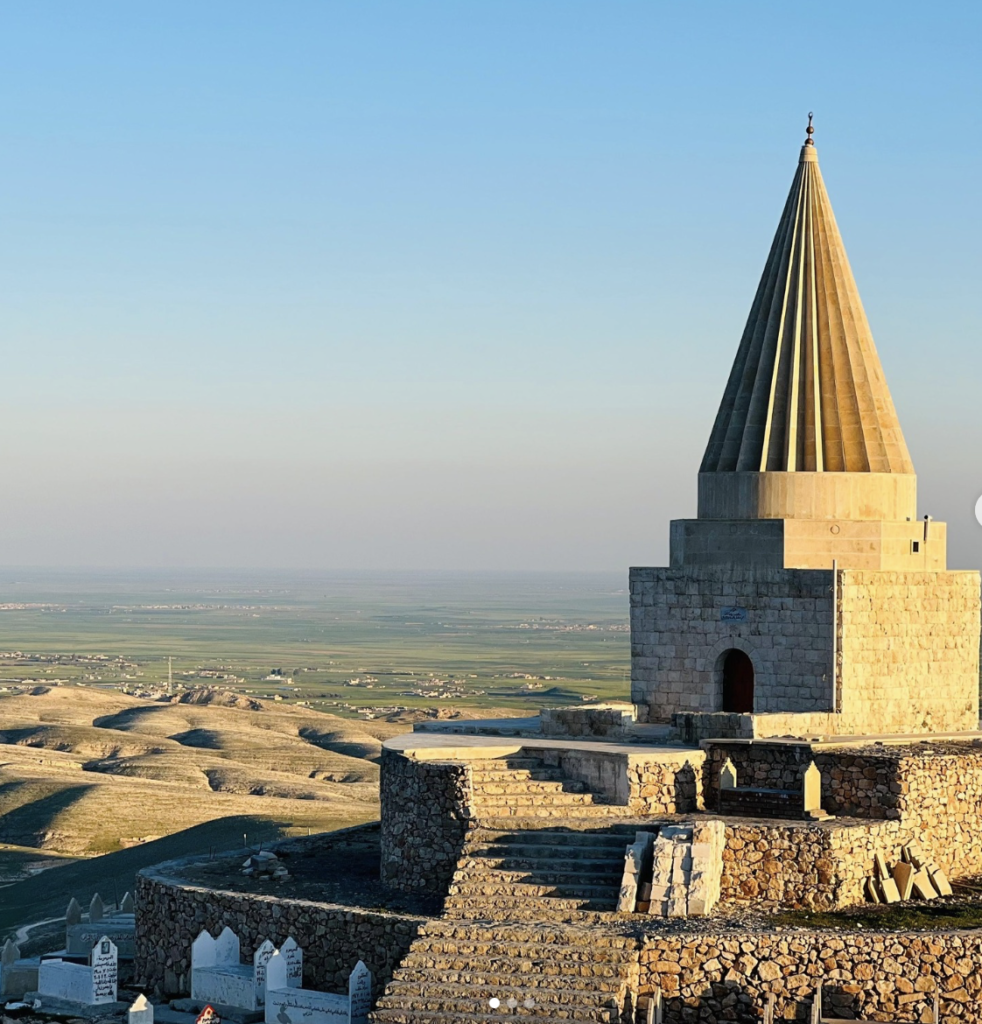
The completed reconstruction was celebrated on September 30, 2022, during a community Watch Day.
More Than a Temple
The rebuilding of Mam Rashan Temple does not reverse genocide. It does not restore the lives lost, nor does it immediately solve displacement or political instability. But it reestablishes presence. It signals that Sharfadin endures. It reclaims a sacred geography that was targeted for elimination.
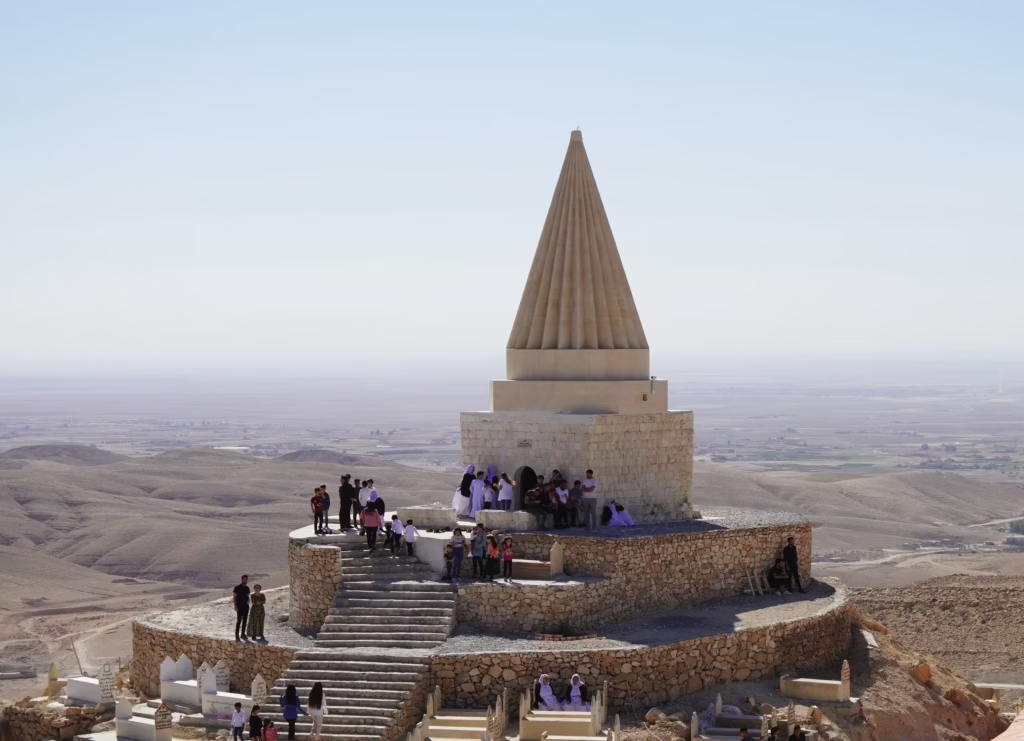
For Ezidis, reconstruction is not merely architectural. It is a declaration of survival. You can destruct our homes and holy temples; you can burn our trees and erase our traces, but you cannot annihilate an ancient people like Ezidis. Time will pass, and so will your monstrous, accidental existence. We will stand for thousands more years, just as we already have. We stood before you, and we will stand long after your existence has faded.