
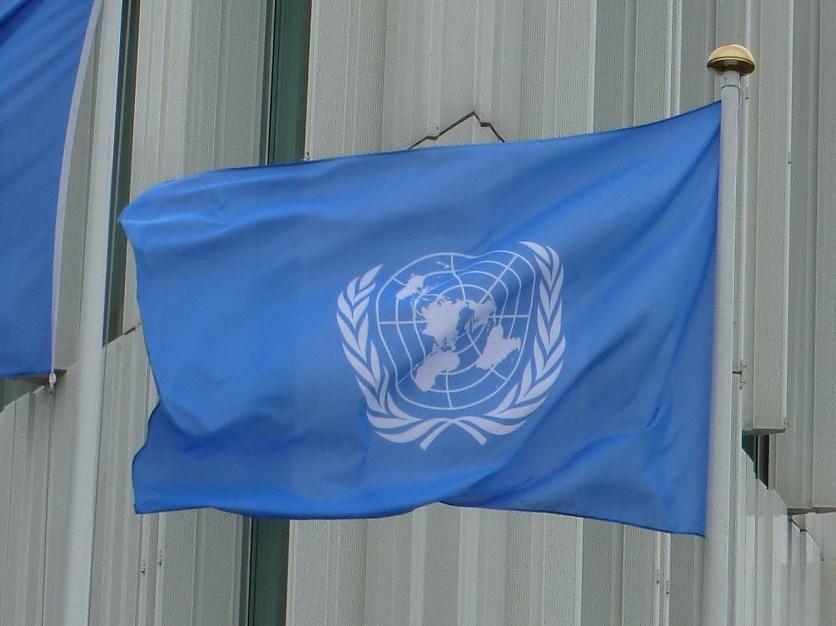
An advisor to Iraqi Prime Minister Mohammed Shia’ al-Sudani has urged former President Barham Salih to focus on the ongoing displacement of Ezidis as he prepares to take office as head of the United Nations refugee agency. Salih was approved by the UN General Assembly on the 18th December 2025 and will begin his five-year term on 1st January 2026, becoming the first Middle Eastern leader to hold the position in decades.
The advisor described Salih’s appointment as an important opportunity to bring sustained international attention to the situation of displaced Ezidis, particularly those who have been unable to return to Sinjar more than eleven years after the ISIS genocide. He expressed hope that the issue of displacement would be addressed alongside serious efforts to rebuild Ezidi areas so that families can return safely and with dignity.
ISIS’s attack on Sinjar in August 2014 led to the mass killing of Ezidi men and elderly women and the abduction of thousands of Ezidi women and children, many of whom were subjected to enslavement and trafficking. The assault forced hundreds of thousands of Ezidis to flee their homes, creating one of the longest-running displacement crises in Iraq. Despite ISIS’s military defeat, large numbers of Ezidis remain displaced, with many still living in camps across northern Iraq.
Official figures show that numerous displacement camps remain open, reflecting the continued inability of families to return home. Although an agreement was signed in 2020 to restore governance, security, and basic services in Sinjar and enable returns, implementation has stalled. Armed groups remain present, reconstruction has been limited, and essential infrastructure such as housing, healthcare, and education has not been adequately restored.
For many Ezidi families, insecurity, poverty, and the absence of livelihoods make return impossible. Some who attempted to leave the camps have been forced to return after finding their villages uninhabitable. As Salih assumes leadership of the UN refugee agency, Ezidi representatives hope his tenure will bring renewed international engagement and concrete action to address displacement, reconstruction, and the long-term consequences of the genocide committed against the Ezidis.