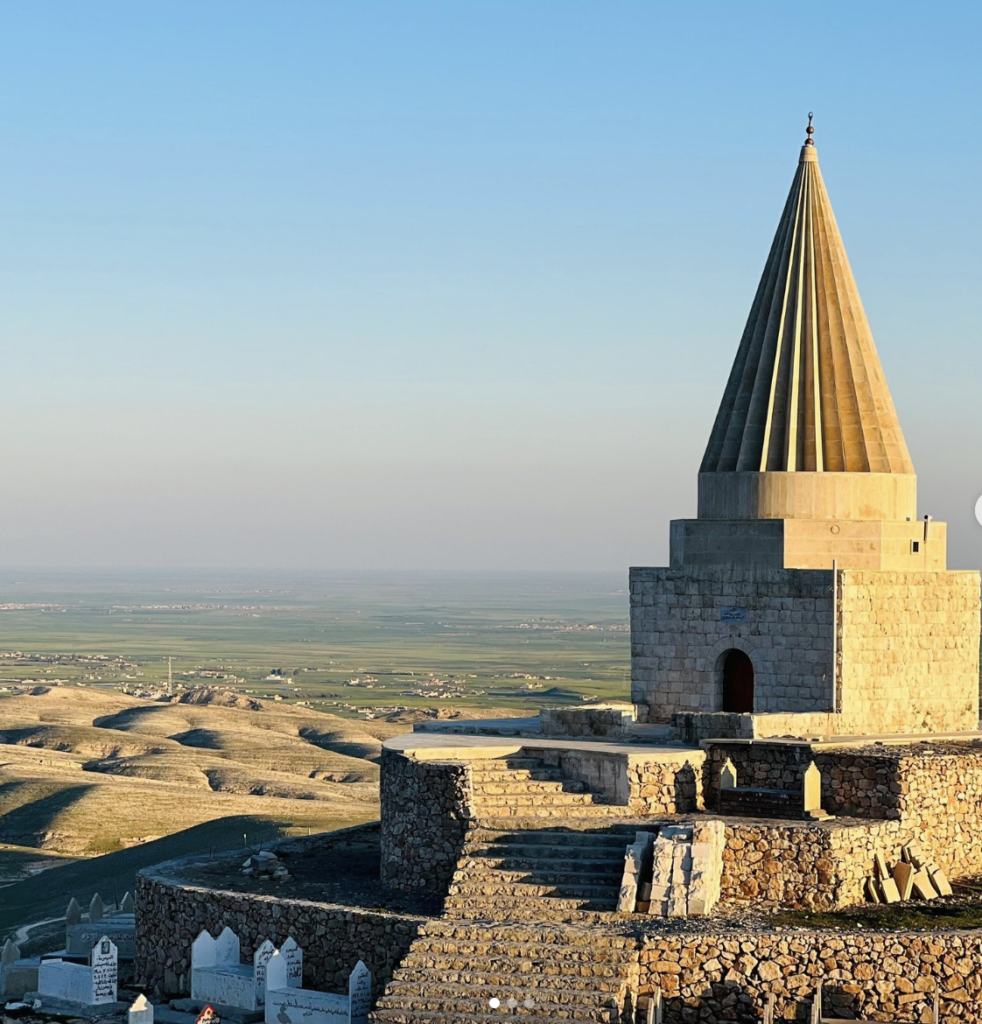
The Importance of Women in Society

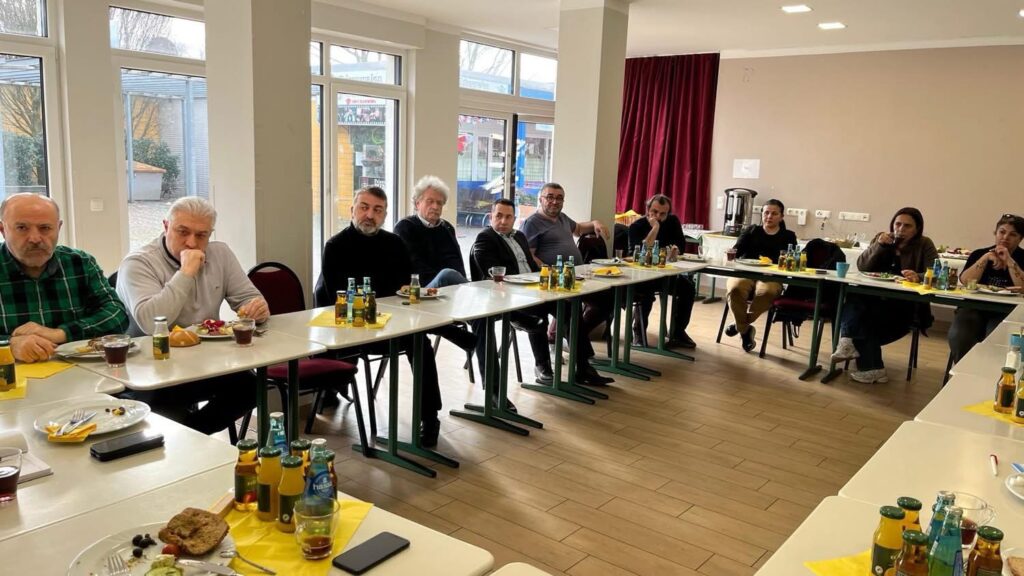
Women are the quiet strength of every society. Even in the face of violence, displacement, and loss, they continue to protect their families, educate their children, and preserve culture. Among the Ezidis, women have shown that survival alone is not enough; they transform suffering into resilience and silence into voice. Their actions prove that the true power of a society is revealed not in how it dominates, but in how it values and listens to its women.

Kurds Returning to Armenia: A Grave Security Risk

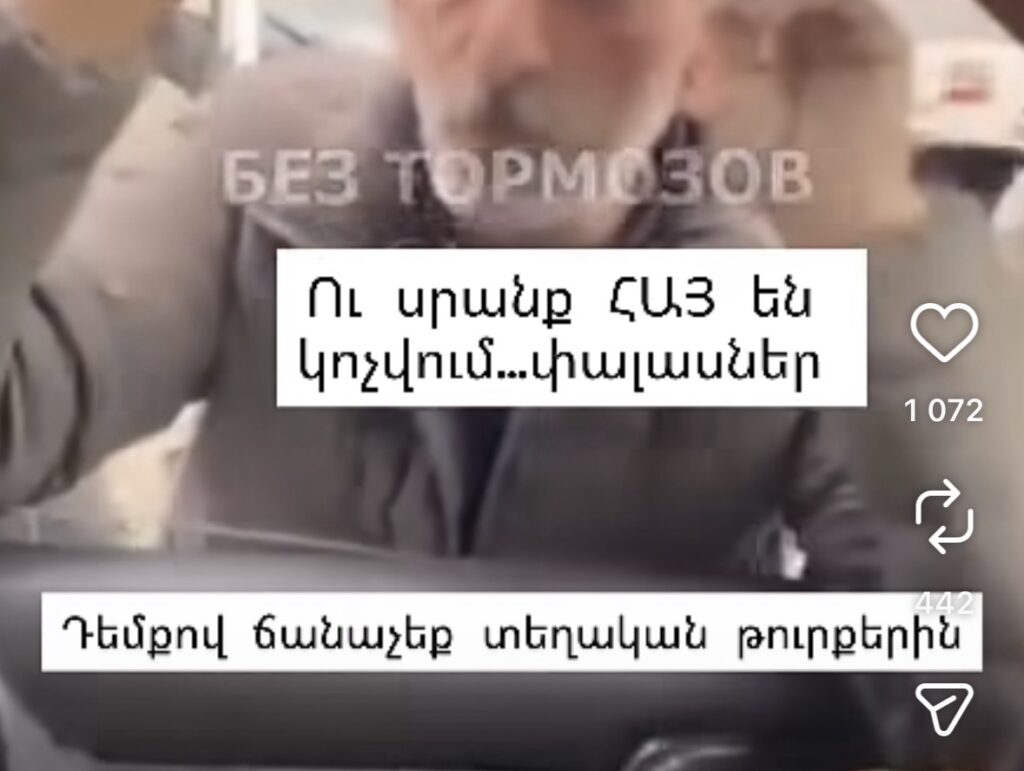
In the late 1980s, during the Armenia–Azerbaijan war, many Kurds left Armenia, openly stating they would not fight against their Muslim brothers. They relocated to Kazakhstan and remained there for decades, removed from the political and military realities Armenia faced. This development raises legitimate security concerns. Individuals who once refused to defend the state on religious grounds demonstrated that their loyalty was conditional. If loyalty is defined by religion rather than citizenship, the implications are serious. In any future conflict involving a Muslim-majority country, where would such actors stand? Armenia cannot ignore this question.

Rudaw’s Obsession with Ezidis: Twisting Truth Across Languages

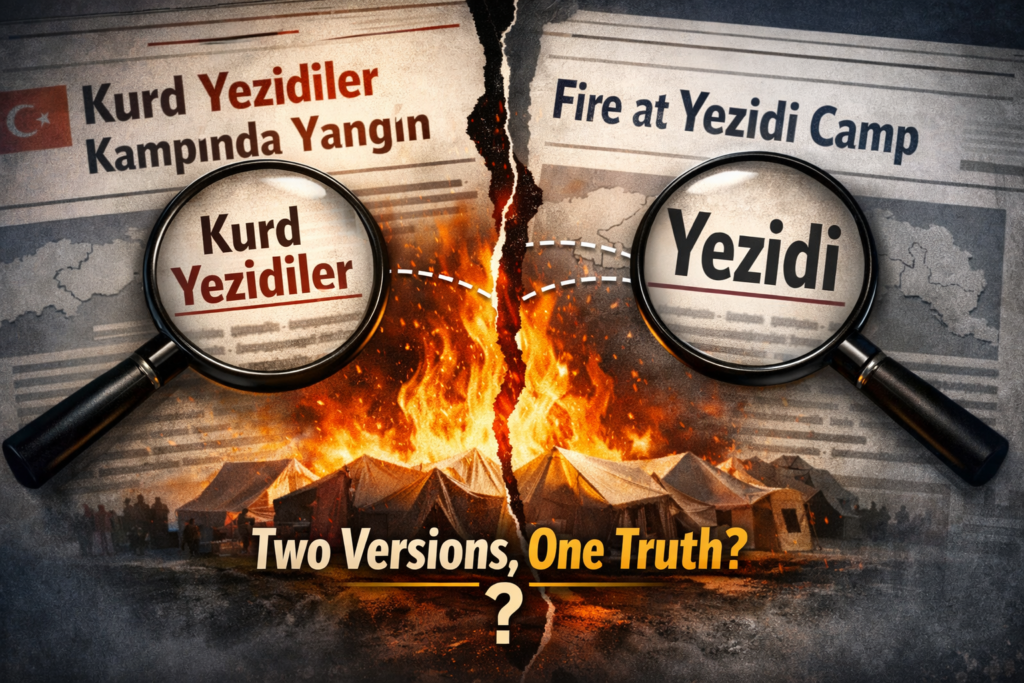
Rudaw recently published two versions of the same story about a fire at an Ezidi camp—one calling them “Ezidi Kurds” in Turkish, the other “Yazidi” in English. Beyond the inconsistency, the facts differ, raising serious questions about journalistic ethics. Why is there such an obsession with Ezidis, their religion, language, and history? It’s time for media to stop politicizing truth and start reporting honestly.

The Holiday of Xidir Nebî and Xidir Êlyas

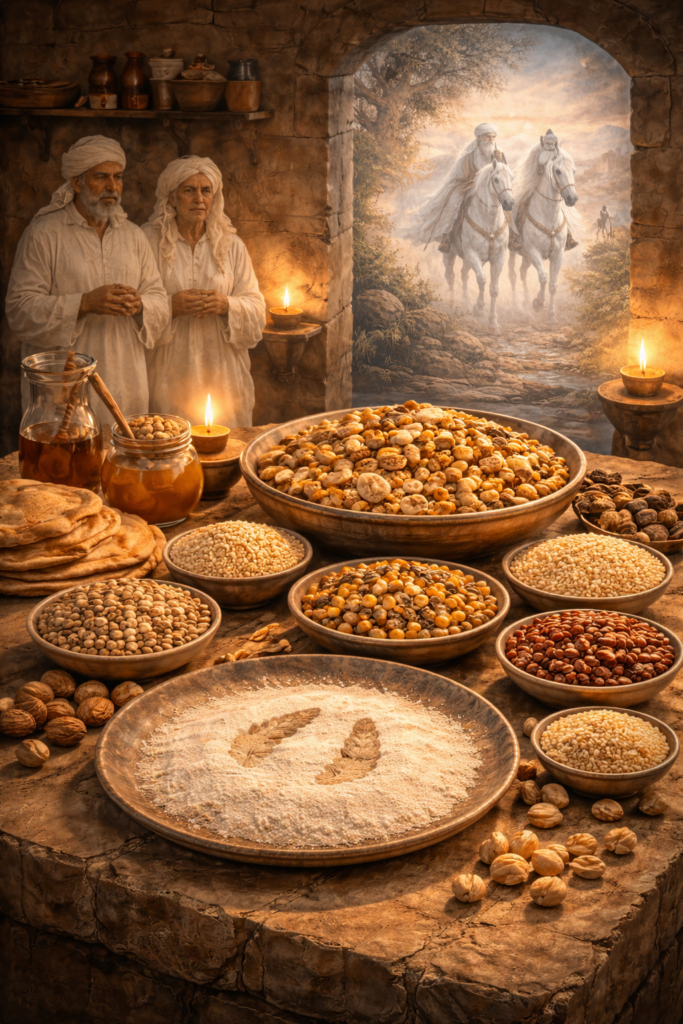
The holiday of Xidir Nebî and Xidir Êlyas is one of the most important religious celebrations among Ezidis, honoring two revered saints associated with protection, love, and life. Though venerated across multiple cultures—from Iran to Armenia and beyond—Ezidis maintain distinct traditions that blend sacred texts, local legends, and ancient rituals. The festival involves fasting, special plant-based dishes, and symbolic practices such as pêxûn preparation, hair-cutting for blessings, and matchmaking customs rooted in dreams. Folk celebrations include communal gatherings, ceremonial songs, and playful rituals like dolidang, connecting spiritual devotion with social cohesion. Across history, Xidir and Êlyas have absorbed traits from pre-Islamic and pre-Christian myths, linking Ezidi practice to ancient regional narratives of divine guidance and the quest for life-giving waters.
Праздник Хидир Элияс и Хидир Неби в Шарфадине

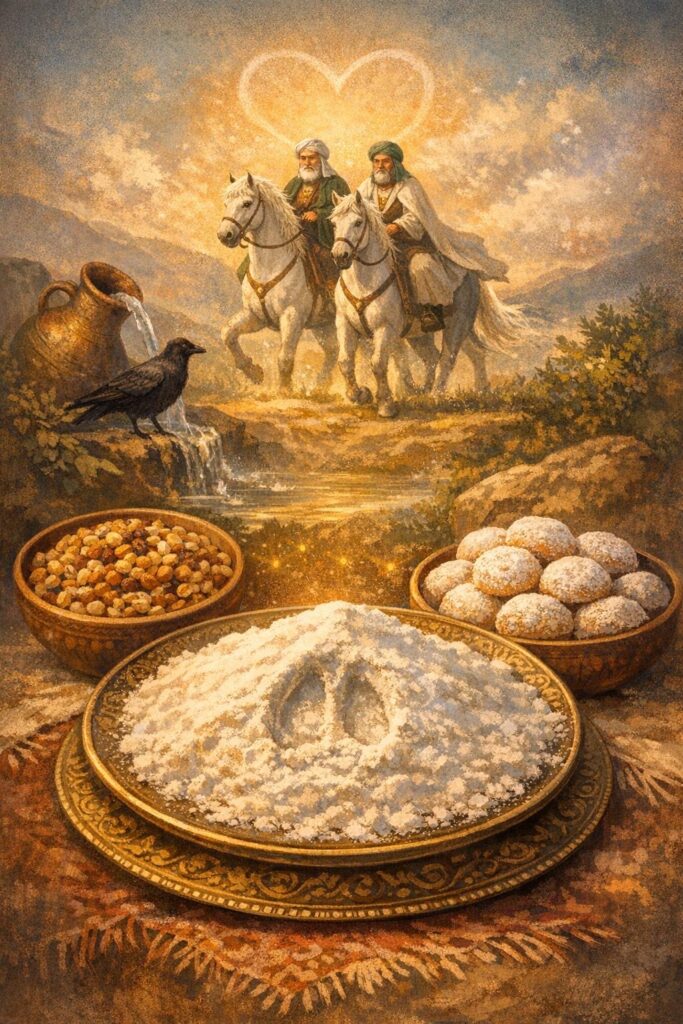
Праздник Хидир Элияс и Хидир Неби — это священный езидский праздник, посвящённый бессмертным святым Хидир Элиясу и Хидир Неби, хранителям жизни, любви и защиты. Отмечаемый ежегодно в феврале, праздник включает добровольный пост, приготовление символических блюд, известных как Священная семёрка, и ритуалы, приглашающие благословение в дом. От мистического знака копыта до приготовления Пехун, этот праздник воспевает исцеление, божественное наставление и обновление как тела, так и духа.

The Holiday of Xidir Êliyas and Xidir Nebî in Sharfadin

The holiday of Xidir Êliyas and Xidir Nebî is a sacred Ezidi holiday honoring the immortal saints Xidir Êliyas and Xidir Nebî, guardians of life, love, and protection. Observed each year in February, the days combine voluntary fasting, preparation of symbolic foods called the Sacred Seven, and rituals that invite blessings into the home. From the mystical hoofprint sign to the making of Pekhûn, the holiday celebrates healing, divine guidance, and the renewal of both body and spirit.

Քրդական ստերը «եզդիներին աջակցելու» մասին

Rudaw-ը պնդում է, որ եզդիները «քրդեր» են՝ կրկնելով Նեչիրվան Բարզանիի և KRG-ի երկարատև փորձը՝ յուրացնելու մեր ինքնությունը։ Եզդիները առանձին էթնիկ ժողովուրդ են, Շարֆադինի հետևորդներ, որոնք ունեն մեր սեփական պատմությունը, իրավունքները և ձայնը։ Գերմանիան աջակցում է տեղահանված եզդիներին, քանի որ դա նրանց պատասխանատվությունն է, այլ ոչ թե Բարզանիի պատճառով։ Մեզ «քուրդ եզդիներ» անվանելը ջնջում է մեր ինքնությունը, թաքցնում տասնամյակների մարգինալացումը և փորձում է օգտագործել մեզ քաղաքական շահի համար։ Եզդիները անկախ են, և ոչ մի քաղաքական գործիչ կամ լրատվամիջոց չի կարող վերաշարադրել մեր պատմությունը կամ խլել մեր ապագան։

Expondo as Mentiras Sobre “O Apoio dos Curdos aos Ezidis”

Rudaw afirma que os Ezidis são “curdos”, repetindo a tentativa de longa data de Neçirvan Barzani e do KRG de cooptar nossa identidade. Os Ezidis são um grupo étnico separado, seguidores do Sharfadin, com nossa própria história, direitos e voz. A Alemanha apoia os Ezidis deslocados porque é sua responsabilidade, não por causa de Barzani. Chamar-nos de “Ezidis Curdos” apaga nossa identidade, esconde décadas de marginalização e tenta nos usar para ganho político. Os Ezidis são independentes, e nenhum político ou meio de comunicação pode reescrever nossa história ou tirar nosso futuro.

Exponiendo las Mentiras Kurdas Sobre el “Apoyo a los Ezidis”

Rudaw afirma que los Ezidis son “kurdos”, repitiendo el intento de larga data de Neçirvan Barzani y del KRG de cooptar nuestra identidad. Los Ezidis son un grupo étnico separado, seguidores de Sharfadin, con nuestra propia historia, derechos y voz. Alemania apoya a los Ezidis desplazados porque es su responsabilidad, no por Barzani. Llamarnos “Ezidis kurdos” borra nuestra identidad, oculta décadas de marginación e intenta utilizarnos para fines políticos. Los Ezidis somos independientes, y ningún político ni medio de comunicación puede reescribir nuestra historia ni arrebatarnos nuestro futuro.

Afsløring af de kurdiske løgne om “ezidi-støtte”

Rudaw hævder, at ezider er “kurder”, hvilket gentager Neçirvan Barzanis og KRG’s langvarige forsøg på at tilegne sig vores identitet. Ezider er en separat etnisk gruppe, tilhængere af Sharfadin, med vores egen historie, vores egne rettigheder og vores egen stemme. Tyskland støtter fordrevne ezider, fordi det er deres ansvar, ikke på grund af Barzani. At kalde os “kurdisk-ezidiske” sletter vores identitet, skjuler årtiers marginalisering og forsøger at bruge os til politisk gevinst. Ezider er uafhængige, og ingen politiker eller medieplatform kan omskrive vores historie eller tage vores fremtid fra os.

Kurdiska lögner om ett “ezidiskt stöd”

Rudaw påstår att ezider är “kurder”, och upprepar därmed Neçirvan Barzanis och KRG:s långvariga försök att ta över vår identitet. Ezider är en separat etnisk grupp, följare av Sharfadin, med egen historia, egna rättigheter och egen röst. Tyskland stödjer fördrivna ezider eftersom det är deras ansvar, inte på grund av Barzani. Att kalla oss “kurdiska ezider” raderar vår identitet, döljer årtionden av marginalisering och försöker använda oss för politisk vinning. Ezider är oberoende, och ingen politiker eller mediekanal kan skriva om vår historia eller ta ifrån oss vår framtid.