Ett svar till İkbal Dürre om varför ezider i Ryssland inte räknas som kurder

Ezidier är ett eget folk med en uråldrig etnisk identitet och en religion, Sharfadin, som står separat från “kurdisk” identitet. Att försöka tvinga in dem i kurdiska demografiska siffror är inte statistik – det är ett försök att skriva om deras identitet för politiska syften. Ryssland räknar ezidier som ezidier, och det faktumet kan ingen opinion förändra.

رد على إقبال دورّي: لماذا لا يُحتسب الإيزيديون في روسيا ضمن الإحصاءات الديموغرافية الكردية

تستجيب هذه المقالة لمزاعم إقبال دورّي حول سبب عدم احتساب الإيزيديين في روسيا ضمن الإحصاءات الديموغرافية الكردية. يعرف الإيزيديون أنفسهم كإيزيديين وليس كأكراد، وتسجلهم روسيا وفقًا لذلك. تصنيفهم كأكراد يتجاهل هويتهم المميزة ودينهم شرف الدين. وصل الإيزيديون إلى روسيا بعد الإبادة الجماعية التي ارتكبها الأكراد ضدهم عام 1915.

İkbal Dürre’ye Yanıt: Rusya’daki Ezidiler Neden Kürt Demografik İstatistiklerine Dahil Edilmiyor

Bu makale, Rusya’daki Ezidilerin neden Kürt demografik istatistiklerine dahil edilmediğine dair İkbal Dürre’nin iddialarına yanıt vermektedir. Ezidiler kendilerini Kürt olarak değil, Ezidî olarak tanımlar ve Rusya da onları buna göre kaydeder. Onları Kürt olarak etiketlemek, Ezidilerin kendine özgü kimliğini ve Şarfadin inancını görmezden gelmektir. Ezidiler, 1915 yılında Kürtlerin de karıştığı soykırım sonrasında Rusya’ya ulaşmıştır.

Eine Antwort an İkbal Dürre: Warum Eziden in Russland nicht in der kurdischen Demografiestatistik gezählt werden

Dieser Artikel antwortet auf die Behauptungen von İkbal Dürre, warum Eziden in Russland nicht in der kurdischen Demografie gezählt werden. Eziden identifizieren sich als Eziden, nicht als Kurden, und Russland erfasst sie entsprechend. Sie als Kurden zu bezeichnen, ignoriert ihre eigene Identität und ihren Glauben, Sharfadin. Eziden gelangten nach Russland nach dem Völkermord von 1915, den kurdische Gruppen gegen sie verübten. Lesen Sie mehr über Eziden, das Sharfadin-Erbe und globale Ereignisse auf Ezidi Times.

Ответ Икбалю Дюрре: почему езиды в России не включаются в “курдскую” демографическую статистику

Эта статья отвечает на утверждения Икбаля Дюрре о том, почему езиды в России не включаются в «курдскую» демографию. Езиды самоопределяются как езиды, а Россия фиксирует их в соответствии с их этнической и религиозной принадлежностью (Шарфадин). Массовое переселение езидов в Россию связано с геноцидом 1915 года, совершённым против них османскими властями и курдскими группами.

A Response to İkbal Dürre: Why Ezidis in Russia Are Not Counted in Kurdish Demographic Statistics

This article responds to İkbal Dürre’s claims about why Ezidis in Russia are not counted within Kurdish demographic statistics. Ezidis identify as Ezidi, not Kurdish, and Russia records them accordingly. Labeling them as Kurds ignores their distinct identity, their Sharfadin faithh. Ezidis reached Russia after the 1915 genocide that the kurds cmmited againt them.

27 November 2025 — Olive Harvest Begins in Lalish, Iraq

The annual olive harvest in the sacred valley of Laleş begins on 27 November, as Ezidis gather olives that will become the oil to light every lamp of the temple. This centuries-old ritual brings the community together — men shaking the branches, women collecting the fruit, and temple workers preparing the oil that fuels the 365 lamps, a symbol of Sharfadin’s enduring light. Amid a year of drought, the harvest continues, linking the valley, its people, and the rhythms of the sacred season. In December, the lamps burn as the community looks toward winter celebrations: Aida Êzîd, Aida Xwudane (male), and Aida Sêsims.

Turkey’s Non-Sunni Minorities, Ezidis Among Them, Face Growing Hostility –

A new report highlights rising hostility in Turkey toward Ezidis, Jews, Alevis, and Christians. Between 2023 and 2024, state institutions increasingly aligned with Sunni Islam, historic sites were reconverted, schools expanded compulsory Sunni instruction, and minorities faced harassment and attacks. The findings show that legal guarantees alone are not enough—protecting diverse communities requires political will, accountability, and respect for long-standing cultures.

Sinuni: A Town Whose Name Carries a People’s Memory

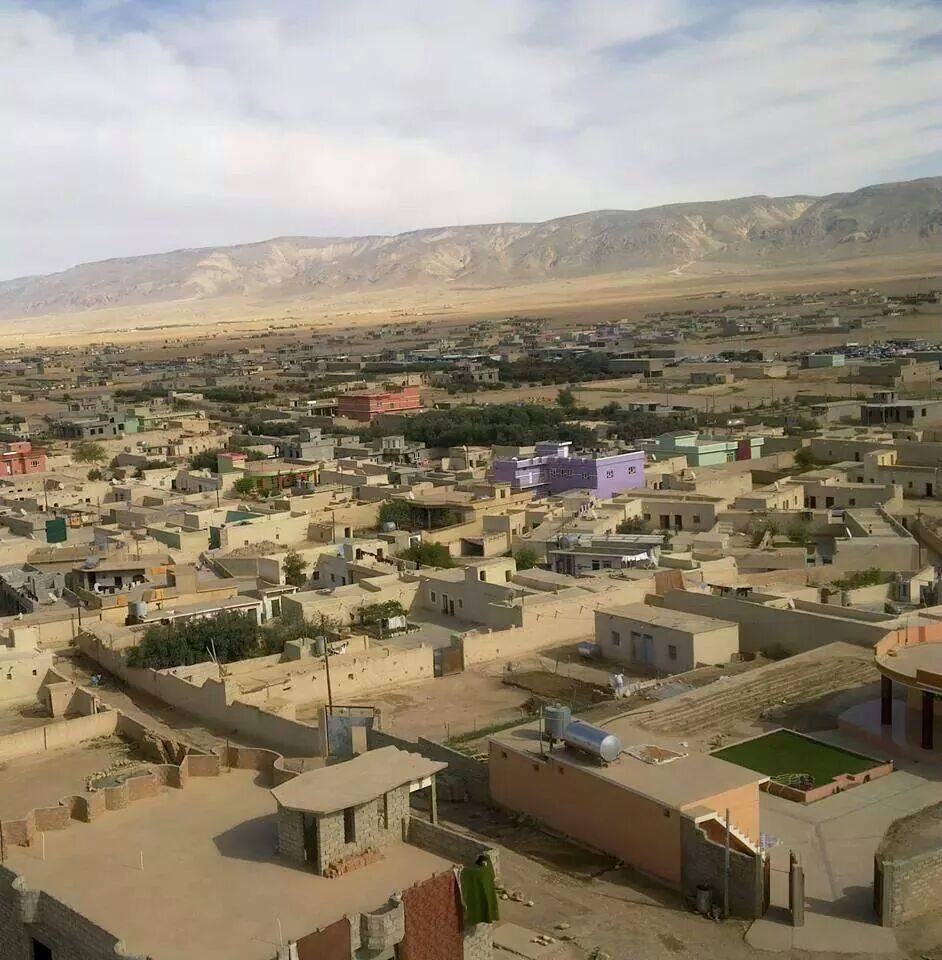
Sinuni, whose name means “our spring” in the Ezidi language, is one of the central towns of the Sinjar region. Once known for its quiet rural life, it was devastated during the 2014 ISIS genocide. Today, Ezidis continue to rebuild it house by house, field by field. Sinuni stands as a place where loss, memory, and resilience meet — a reminder that even after destruction, renewal is possible.

Nadia Murad Honored with Doctorate in Peru for Her Work Defending Human Rights

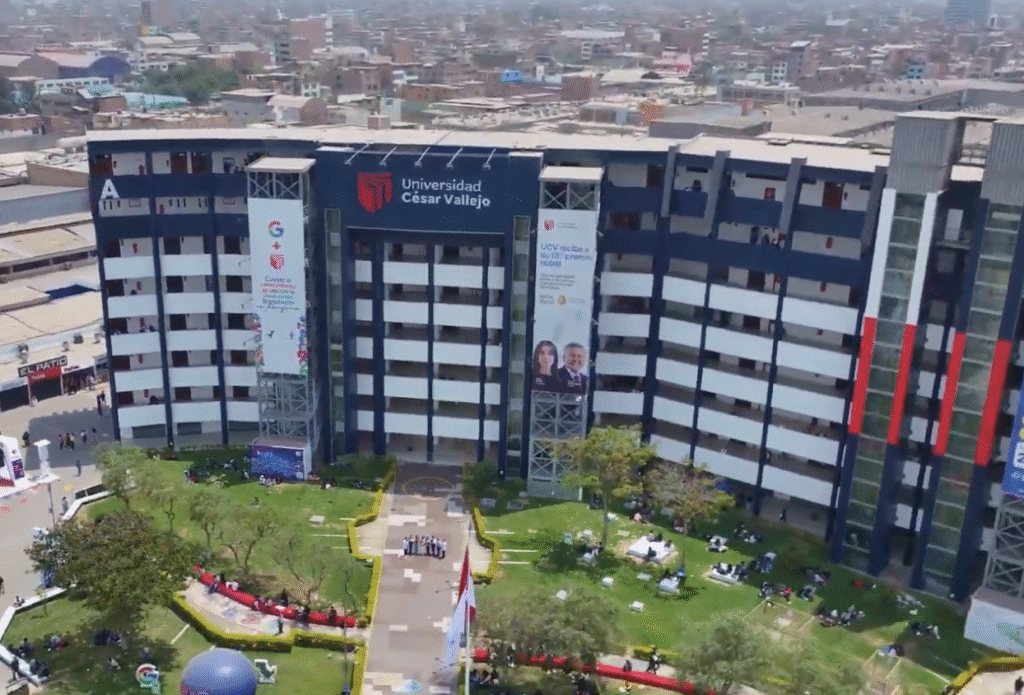
Nadia Murad has been awarded an honorary doctorate by César Vallejo University in Peru for her global advocacy against sexual violence in conflict and her ongoing work for Ezidi survivors. During the university’s 34th anniversary ceremony, Murad highlighted the power of education in rebuilding lives after genocide — a message that continues to resonate more than a decade after the 2014 atrocities.

تم إدراج اللغة الإزيدية (Ezdiki) في جدول الاعتماد الطوعي للمعلمين في أرمينيا لعام 2025.

ستكون اللغة الإزيدية (Ezdiki) مرة أخرى جزءًا من امتحانات الاعتماد الطوعي للمعلمين في أرمينيا لعام 2025. ومن المقرر عقد الامتحان في 15 نوفمبر، ويعكس هذا الإدراج الجهود المستمرة للحفاظ على اللغة الإزيدية وضمان حضورها في النظام التعليمي في البلاد.

Езидский язык включён в график добровольной аттестации учителей Армении на 2025 год

Езидский язык (Ездики) включён в добровольную аттестацию учителей Армении 2025 года. Экзамен пройдёт 15 ноября в 12:00, что подчеркивает признание культурного и языкового многообразия страны и важность сохранения езидского языка для будущих поколений.

Close
© 2025 Ezidi Times. All Rights Reserved.