
France recognises genocide against Ezidis in historic ruling

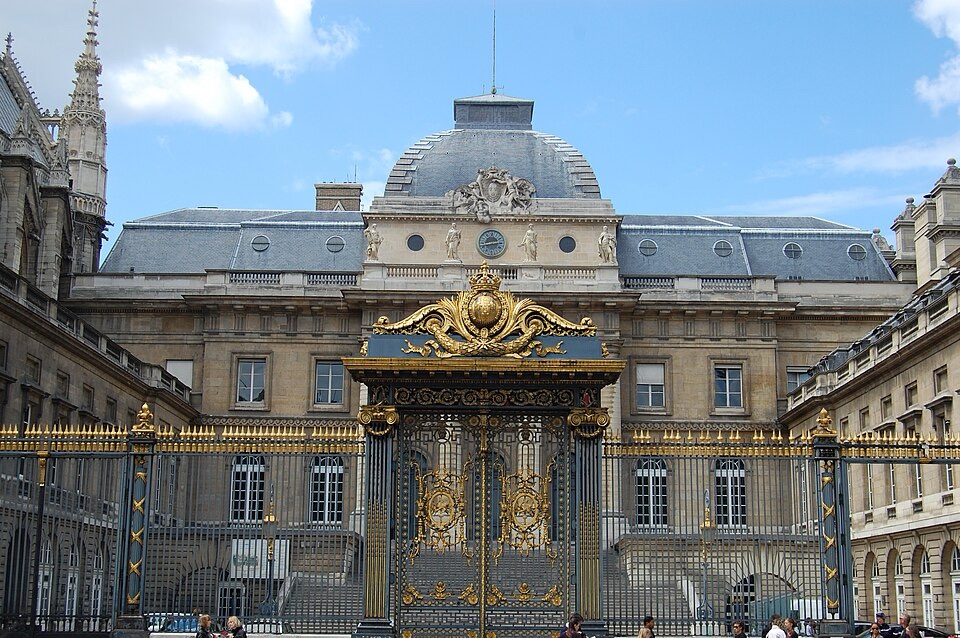
A French court has officially recognised the genocide against the Ezidi people for the first time, sentencing a French jihadist to life imprisonment. The historic ruling is grounded in survivor testimonies that exposed systematic violence, enslavement, and the targeted destruction of Ezidis, marking a significant step toward justice and accountability in Europe.

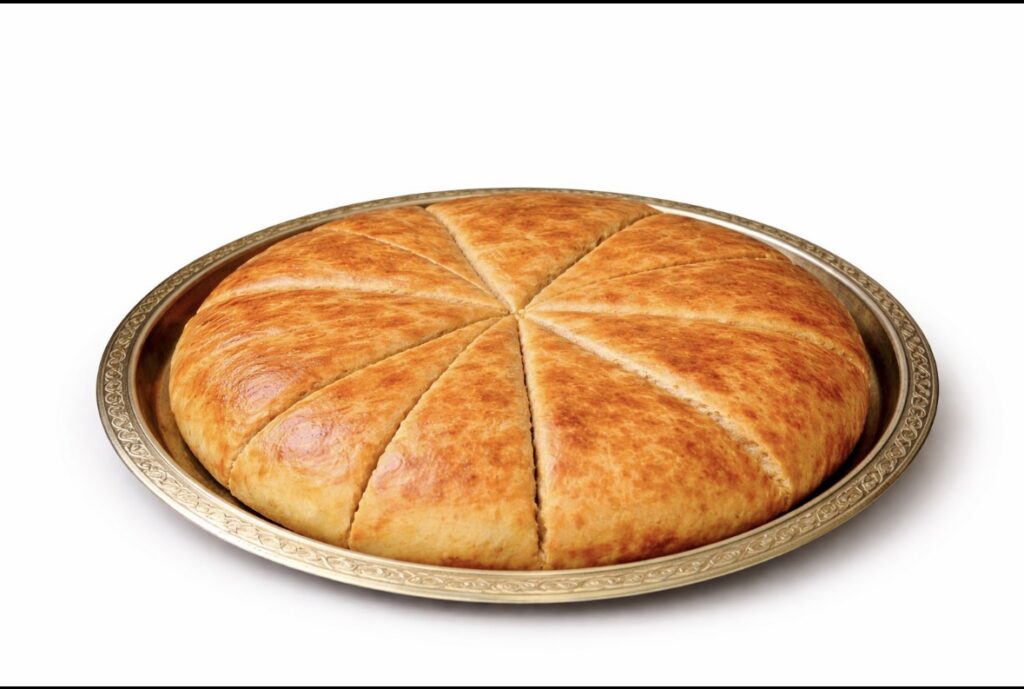
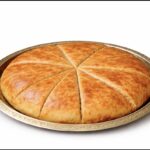
Klocha Sare Sale: The Ezidi Cake Tradition “Kloch” 🥮

Klocha Sare Sale is a traditional Ezidi New Year cake celebrated mainly among Ezidis from the former Soviet Union. Marking renewal and the arrival of spring, the ritual involves baking a special cake with a hidden bead or coin. During a family gathering, the cake is cut with a symbolic “plough” line and divided—first as offerings to holy beings, then among family members. The person who receives the hidden piece is believed to be blessed for the coming year. Rooted in Sharfadin, the tradition reflects both spiritual meaning and the natural cycle of rebirth.

Investigation Launched Against Journalist Reporting Tree Cutting in Ezidi Village

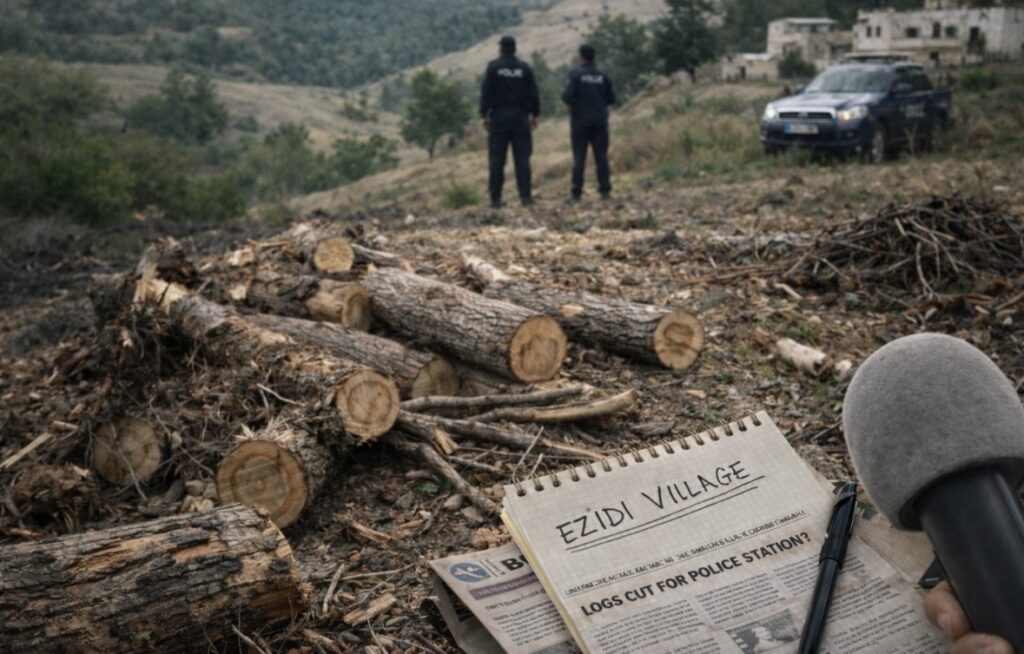
Authorities in Turkey have opened an investigation into journalist Zeynep Durgut after she reported allegations that trees were cut on land belonging to residents of the Ezidi village of Kiwex. The report, which highlighted local concerns about environmental damage linked to a planned police station project, has sparked debate about press freedom and the right to report on issues affecting minority villages.

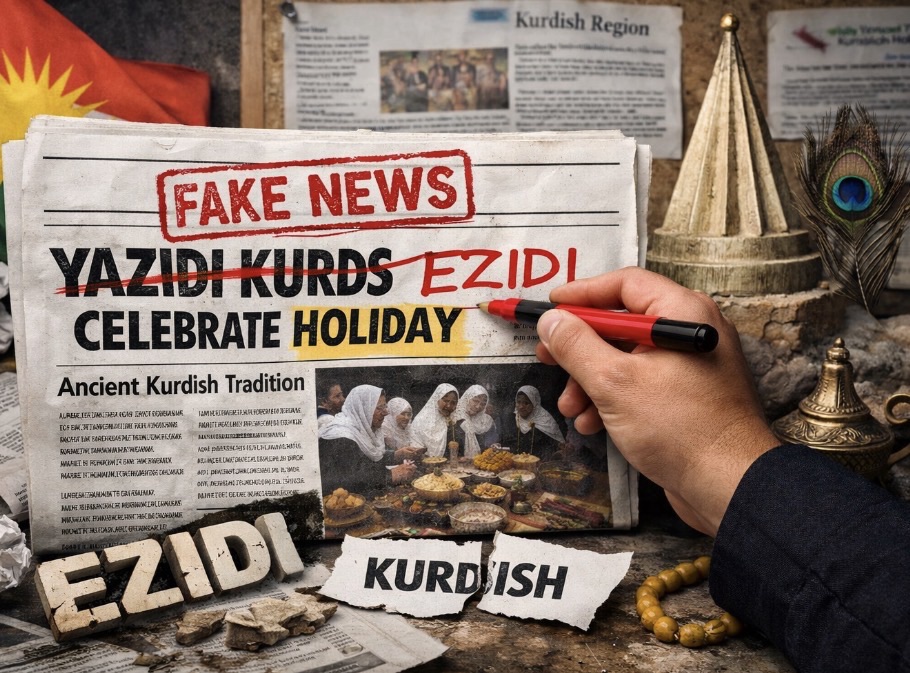
Since When Did an Ezidi Religious Holiday Become a “Kurdish Tradition”?

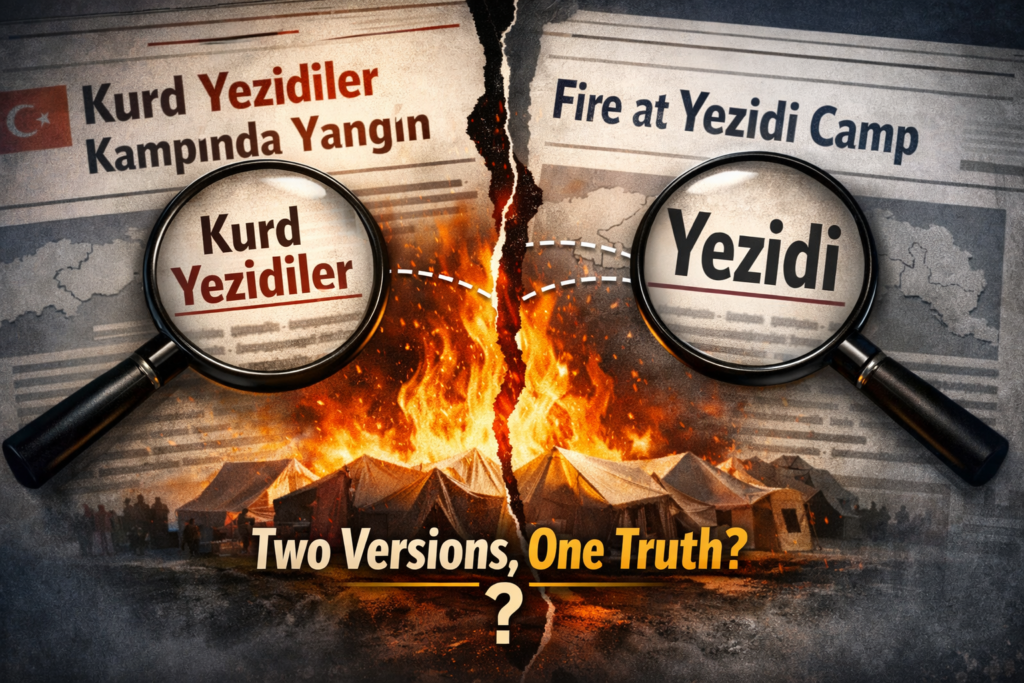
Ezidi Times criticizes Kurdish media outlet Kurdistan24 for referring to Ezidis as “Yazidi Kurds” in its coverage of the Khidr Elias holiday. The article argues that such language spreads misinformation, erases the distinct identity of the Ezidi people, and attempts to appropriate the sacred traditions of the Ezidi religion, Sharfadin, by falsely presenting them as Kurdish cultural practices.

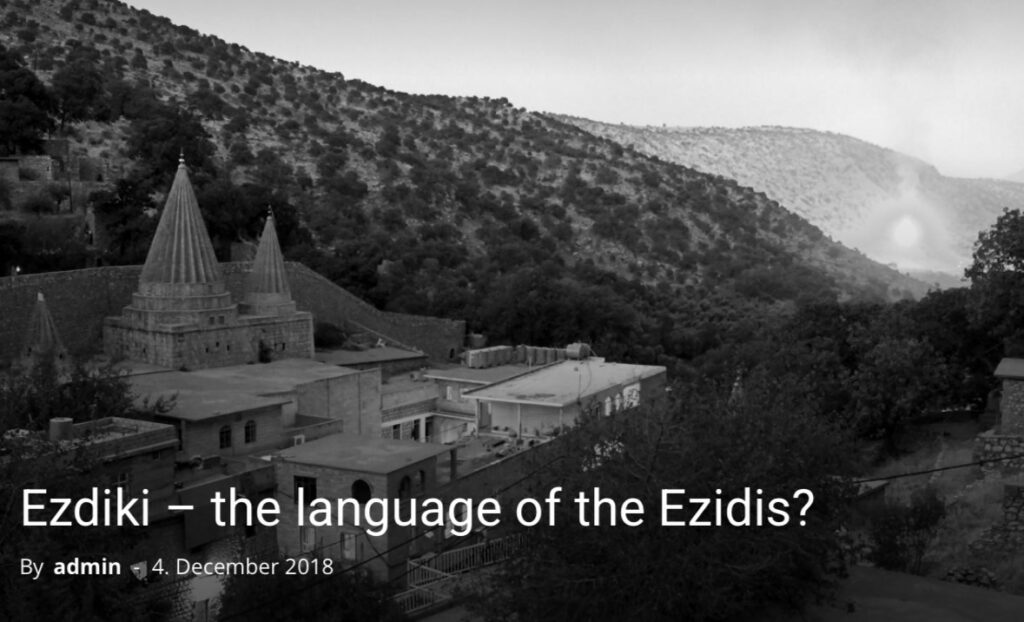
My Mother Tongue Is Ezdiki

Historical sources show that Ezidis have long referred to their language as Ezdiki, meaning “the language of the Ezidis.” Kurdish is a new term and is the result of political influence and aspirations of creating a “kurdish” nationalistic identity.

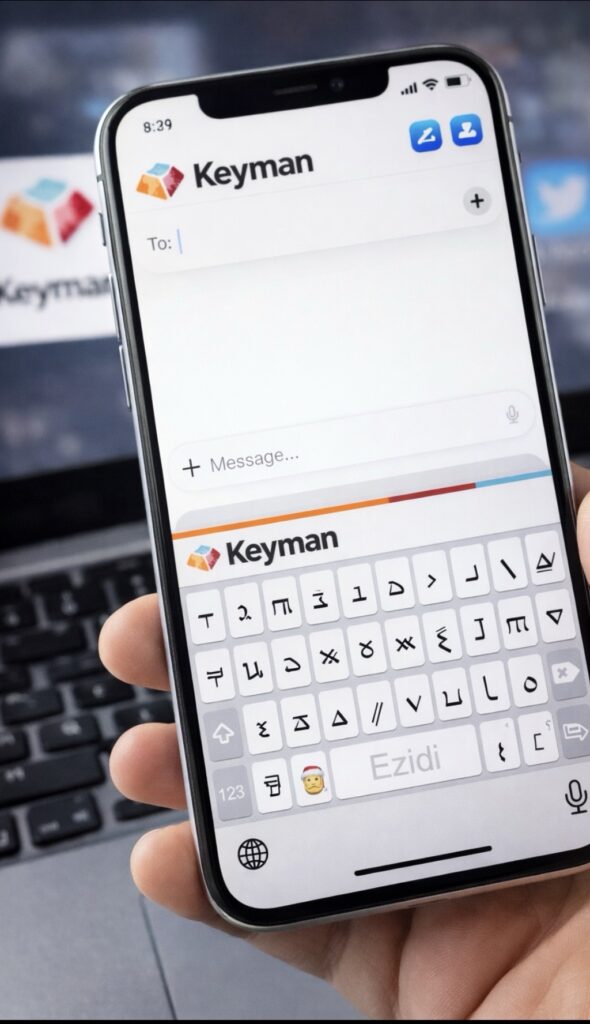
Why Don’t You List Ezdiki on Your Profile?

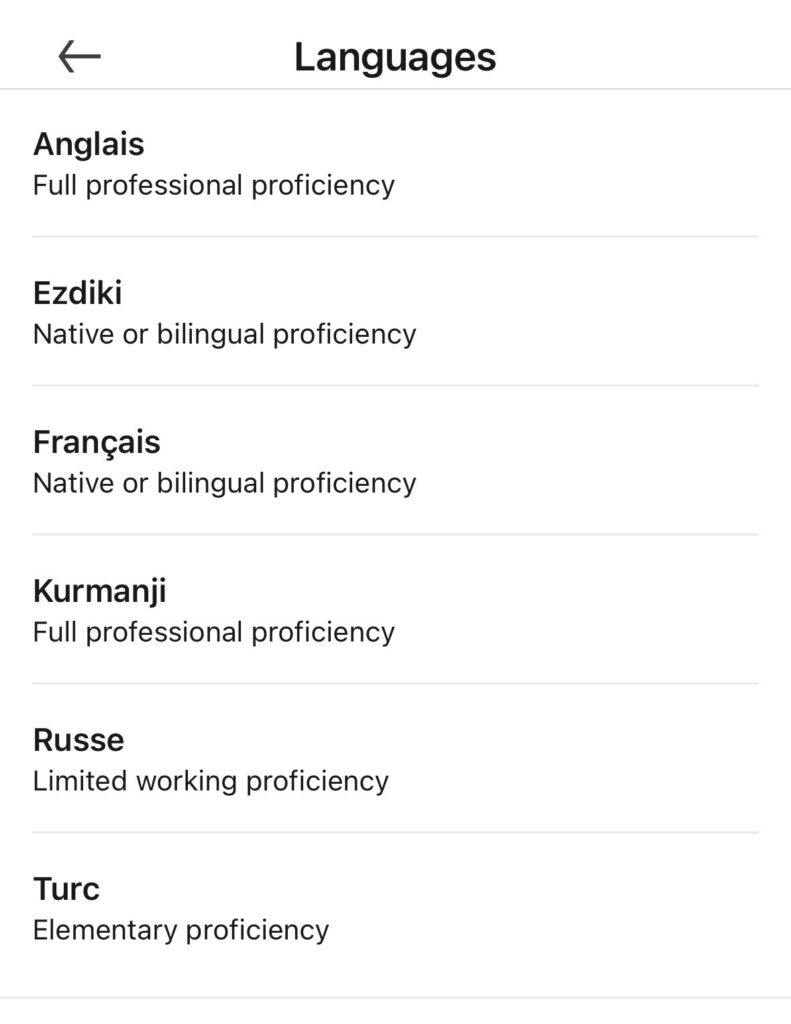
Many Ezidis choose to list their language as Kurdish or Kurmanji because it seems easier when dealing with institutions or people unfamiliar with Ezidis. But doing so risks slowly eroding a history and identity that stretches back thousands of years. One LinkedIn user chose a different path; proudly listing Ezdiki.

Ultimatum Over Shingal: Ezidis Face Renewed Uncertainty as March 10 Deadline Looms

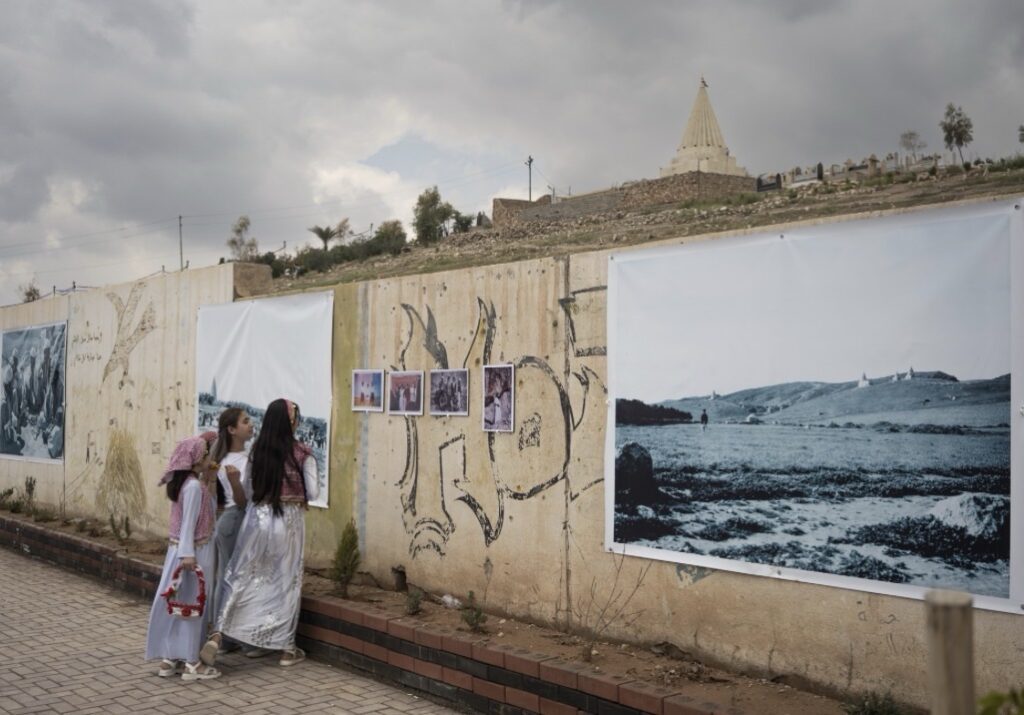
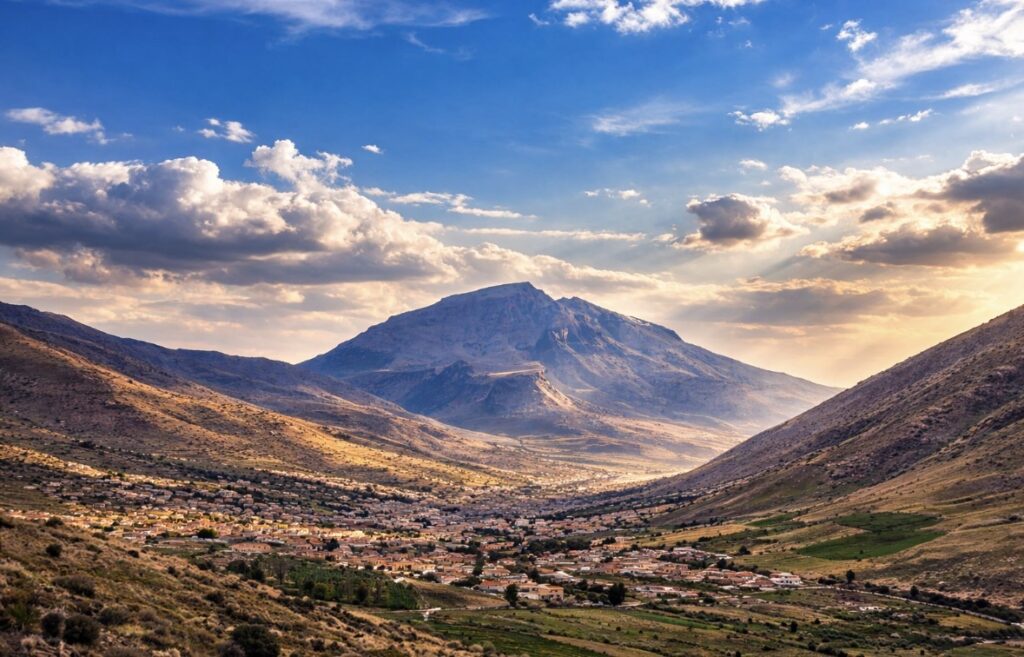
Dissolve by 10 March—or face attack. That was the message delivered to the YBŞ in Mosul, placing Shingal’s Ezidis at another crossroads. For a people still rebuilding after genocide, the prospect of imposed security decisions revives a familiar and dangerous pattern. Ezidi leaders warn that dismantling local defense forces without a binding administrative and security agreement could force new displacement and leave the homeland of Sharfadin exposed once again.